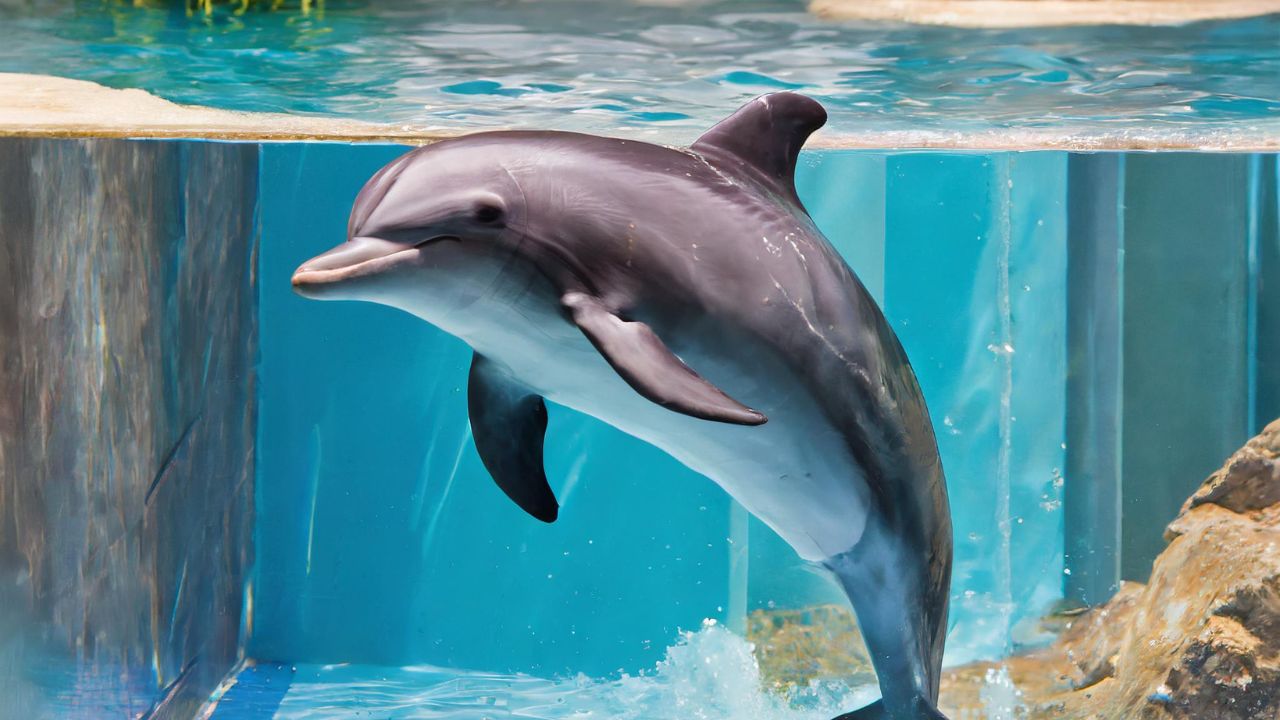


Are you looking to fulfill your dream of having a pet dolphin? Dolphins, renowned for their intelligence and playfulness, may seem like ideal companions.
However, the reality of owning a dolphin is complex, with legal, ethical, and conservation considerations to navigate.
In many regions, the legality of keeping dolphins as pets sparks debate, raising important questions about their welfare and impact on wild populations.
Is It Illegal To Have A Pet Dolphin? In many places, it’s illegal to own a pet dolphin due to their protected status and complex care needs.
Legal Status
The Marine Mammal Protection Act (MMPA) and the Animal Welfare Act constitute the legal framework governing the ownership of pet dolphins in the United States.
These laws aim to safeguard dolphins from exploitation and mistreatment, ensuring their well-being both in captivity and in the wild.
Capturing or injuring marine mammals, such as dolphins, in American waters is forbidden by the Marine Mammal Protection Act (MMPA). Additionally, it controls the import and export of marine mammals as well as the goods they produce.
Obtaining a dolphin for captivity requires specific authorization that comes with strict guidelines designed to protect the well-being of the dolphins, such as requirements for adequate housing, care, and veterinary supervision.
Comparably, the Animal Welfare Act sets guidelines for the humane treatment of animals in a number of contexts, such as business transactions, research, exhibition, and transportation.
These guidelines, which address things like housing conditions, veterinary care, handling practices, and enrichment activities to support the dolphins’ physical and mental well-being, must be followed by facilities that house dolphins.
Violations of these regulations can result in fines, permit revocations, or even criminal charges, underscoring the seriousness with which authorities approach the issue of dolphin captivity and welfare in the United States.
Legal Framework for Owning Pet Dolphins in the United States:
| Legislation | Overview |
| Marine Mammal Protection Act (MMPA) | Enacted in 1972, this federal law prohibits the capture, harassment, or harm of marine mammals, including dolphins, in U.S. waters. It regulates importation, exportation, and captivity permits, aiming to ensure their welfare. |
| Animal Welfare Act | This legislation sets standards for the humane treatment of animals, including those in captivity. It covers housing, veterinary care, handling, and enrichment activities for dolphins, with violations subject to fines and penalties. |
Ethical Considerations
Beyond the realm of legality, the ethical implications of keeping dolphins as pets are profound and multifaceted.
Dolphins are renowned for their remarkable intelligence, complex social structures, and sophisticated communication abilities.
In the wild, they inhabit vast oceanic environments, engaging in a diverse range of behaviors essential to their physical and mental health.
These behaviors include hunting for prey, navigating intricate social dynamics within their pods, and engaging in playful and cooperative activities.
However, the social relationships and natural activities of dolphins are severely restricted in captivity. Dolphins kept in captivity lack the space and stimulation required for their well-being since they are kept in artificial enclosures that are frequently much smaller than their natural environments.
For caged dolphins, the lack of hunting, exploring, and social bonding changes can result in extreme stress, boredom, and psychological discomfort. [Is It Illegal To Have A Pet Dolphin?]
Furthermore, maladaptive reactions to stressors brought on by captivity may manifest as the execution of abnormal behaviors, such as aggressive behavior against people or other dolphins or repeated stereotypical movements.
Furthermore, the act of capturing wild dolphins or raising them in captivity gives rise to ethical dilemmas concerning the exploitation and commercialization of sentient entities.
Dolphin populations and ecosystems can be negatively impacted by wild captures, and problems with genetic variety, inbreeding, and overpopulation can arise from captive breeding operations that put financial gain ahead of the well-being of individual dolphins.
These moral questions highlight how crucial it is to assess the ethics of owning dolphins as pets and the wider ramifications for animal care and conservation initiatives.
See Also: Is It Illegal To Communicate With Dolphins (2024)?
Conservation Implications

Mr. Das, a certified pharmaceutical scientist, holds a Bachelor of Science in Pharmaceutical Sciences and passionately contributes to dolphin conservation as a member of the committee in Bangladesh.

Comments are closed.