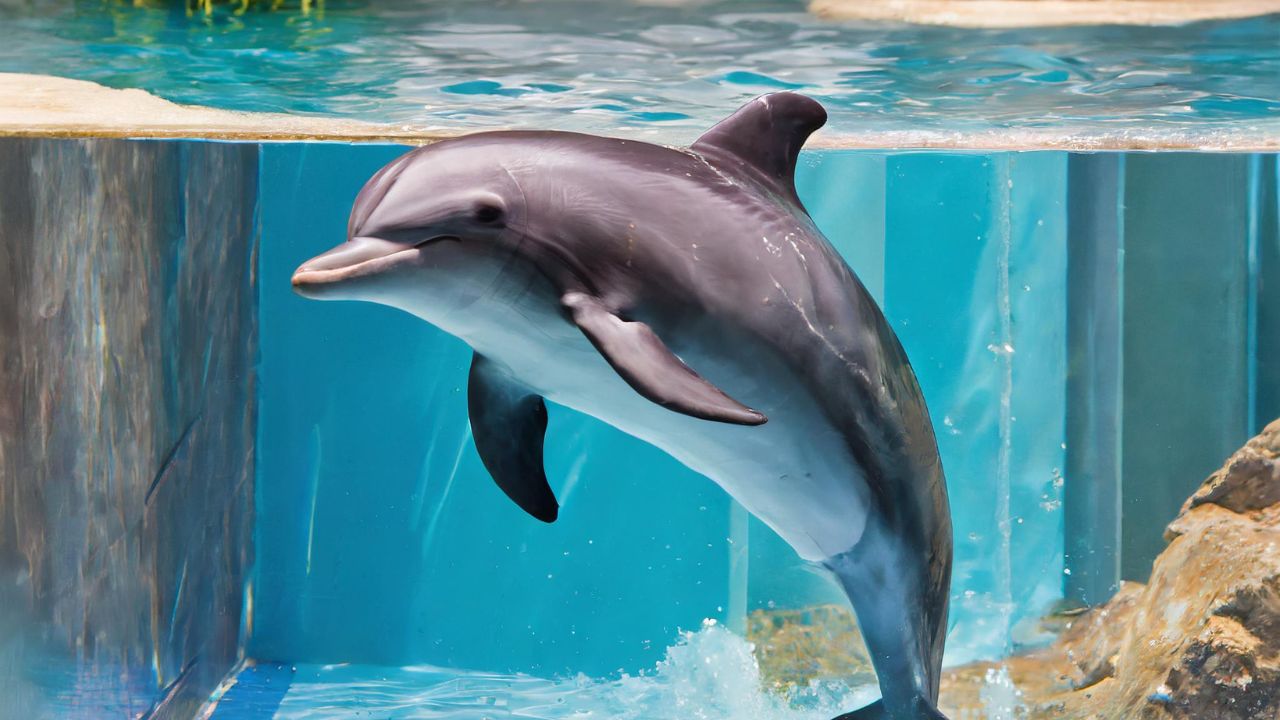

The global protection of wild dolphin populations is seriously threatened by the desire for pet dolphins.
In their natural habitats, dolphins already confront a wide range of difficulties, such as habitat destruction, pollution, climate change, and entanglement in fishing gear.
The health and stability of dolphin populations as well as the habitats they live in are further jeopardized by the removal of dolphins from the wild to satisfy the needs of the pet trade. [Is It Illegal To Have A Pet Dolphin?]
Removing dolphins from their natural habitats can disrupt complex social structures within dolphin populations, leading to cascading effects throughout marine ecosystems.
Dolphins play crucial roles as apex predators, regulating prey populations and contributing to overall ecosystem health.
The loss of individuals from wild populations can disrupt these ecological balances, potentially leading to cascading effects on other species and ecosystem processes.
Further raising doubts about conservation is the captive breeding of dolphins for profit. The demand for dolphins captured in the wild may appear to be met by captive breeding, but concerns about genetic variety and the long-term sustainability of captive populations are brought up.
Within captive populations, inbreeding and genetic bottlenecks can lead to reduced reproductive success, increased illness susceptibility, and less environmental adaptability.
Furthermore, the availability of facilities for captive reproduction could encourage the continuous exploitation of wild populations and sustain the market for pet dolphins.
See Also: Is It Illegal To Swim With Wild Dolphins? Discover the Legalities
Alternatives to Captivity
Exploring Alternatives to Dolphin Captivity:
| Alternative | Description |
| Responsible Ecotourism | Participate in eco-friendly tours that allow observation of dolphins in their natural habitats. These experiences promote conservation awareness, generate revenue for local communities, and provide an opportunity to witness dolphins’ natural behaviors. |
| Technological Advancements | Utilize underwater cameras, hydrophones, and drones to remotely observe dolphins. This technology enables researchers and enthusiasts to capture behaviors and vocalizations without direct interaction, minimizing disturbance to dolphins in their natural environments. |
| Virtual Reality Experiences | Engage in immersive simulations of underwater environments through virtual reality. This innovative approach offers a way to explore the world of dolphins from home, providing an educational and entertaining experience without any impact on wild populations. |
Thankfully, there are a number of humane alternatives to confinement that enable people to appropriately enjoy and learn about dolphins. [Is It Illegal To Have A Pet Dolphin?]
In addition to providing eco-friendly excursions that promote a deeper understanding of dolphins, responsible ecotourism programs also help local communities and conservation efforts.
Additionally, non-intrusive ways to see and enjoy dolphins in their natural environments are made possible by technological breakthroughs like underwater cameras and virtual reality experiences.
It supports both the long-term survival of dolphins and the preservation of marine ecosystems.
See Also: Can You Swim With Killer Whales? Discover the Thrilling Reality!
Frequently Asked Questions (FAQs)
Can I Legally Own A Pet Dolphin?
Ownership legality varies; permits and adherence to strict standards are typically required.
Why Are There Laws Regulating The Ownership Of Dolphins?
Laws Protect Dolphins From Exploitation And Ensure Their Welfare In Captivity.
What Are The Ethical Concerns Associated With Keeping Dolphins As Pets?
Captivity deprives dolphins of natural behaviors, causing stress and health issues. [Is It Illegal To Have A Pet Dolphin?]
How Does The Demand For Pet Dolphins Affect Wild Populations?
Demand may disrupt ecosystems, endangering wild populations and genetic diversity.
What Are Some Alternatives To Keeping Dolphins In Captivity?
Responsible ecotourism and technological advancements offer non-invasive ways to observe dolphins.
Conclusion: Is It Illegal To Have A Pet Dolphin?
Finally, hopefully, you recognize that while the allure of owning a pet dolphin may be strong, it’s crucial to acknowledge the legal, ethical, and conservation dilemmas involved.
Captivity presents profound obstacles to dolphin welfare and can detrimentally affect their populations and habitats.
By advocating for responsible stewardship and seeking alternative methods to interact with dolphins, you can contribute to a better future for these incredible creatures in their natural environments.

Mr. Das, a certified pharmaceutical scientist, holds a Bachelor of Science in Pharmaceutical Sciences and passionately contributes to dolphin conservation as a member of the committee in Bangladesh.

Comments are closed.