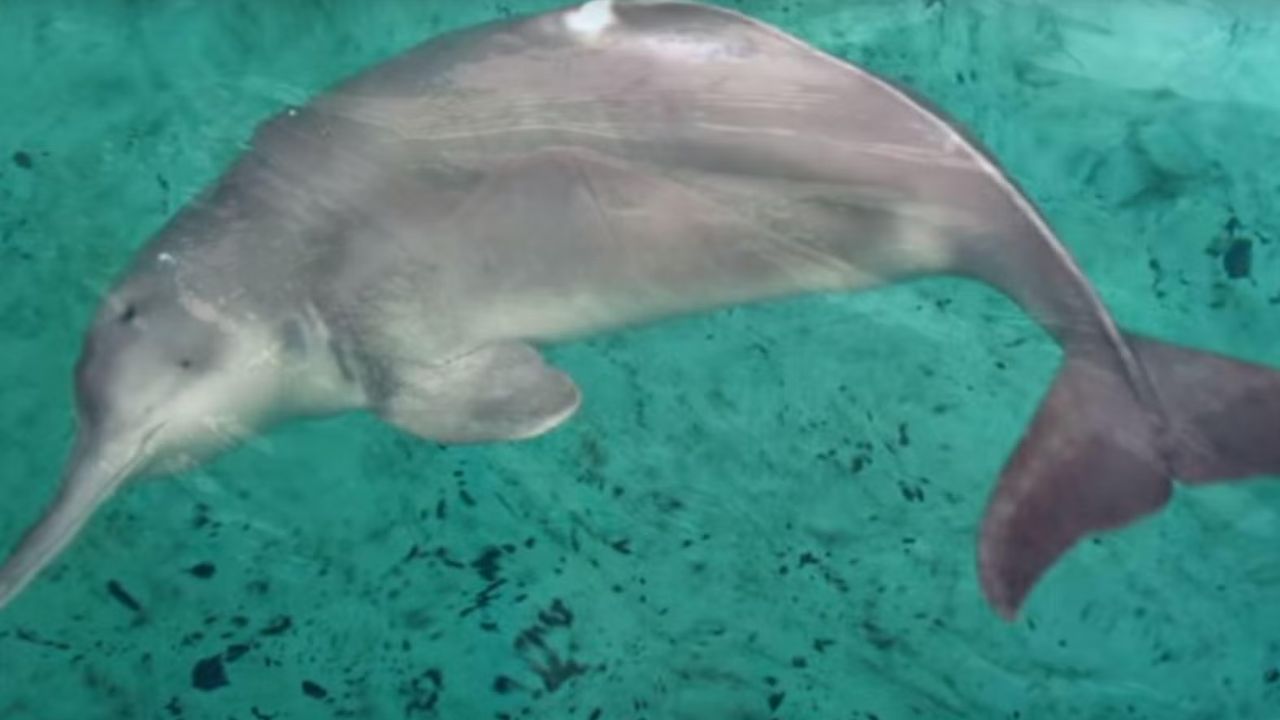

What Is The Chinese River Dolphin?
The Chinese river dolphin, or Baiji, is a freshwater dolphin native to the Yangtze River in China, recognized by its long, slender body and distinctive beak-like snout. [Why Is The Chinese River Dolphin Endangered?]
Why Is The Chinese River Dolphin Endangered?
Habitat loss, pollution, overfishing, bycatch, and human activities like shipping and boat traffic have drastically reduced the dolphin population, pushing it toward extinction.
What Is Habitat Loss And Fragmentation, And How Does It Affect The Chinese River Dolphin?
Habitat loss and fragmentation occur due to industrialization and urbanization, disrupting the dolphin’s natural habitat, altering water levels, and blocking essential migratory routes, leading to population decline.
How Does Pollution Impact The Chinese River Dolphin?
Pollution from various sources contaminates the Yangtze River, affecting the dolphin’s food sources and physiological functions, weakening its immune system, and making it more susceptible to diseases and reproductive issues.
What Conservation Efforts Are Underway To Save The Chinese River Dolphin?
Organizations are working to protect the dolphin’s habitat, mitigate pollution, reduce bycatch, implement sustainable fishing practices, and raise public awareness to ensure the species’ survival and restore its habitat.
Conclusion
Let us finally consider the situation of the Chinese river dolphin, which serves as a sobering reminder of the urgent need for conservation efforts to protect threatened species and preserve biodiversity.
Hopefully, we can stop the Baiji’s extinction and guarantee a sustainable future for these amazing animals by realizing the wide range of issues they face and acting swiftly to solve them.
As guardians of the natural world, it is our duty to make sure that the Chinese river dolphin’s legacy is preserved for upcoming generations to value and enjoy.

Mr. Das, a certified pharmaceutical scientist, holds a Bachelor of Science in Pharmaceutical Sciences and passionately contributes to dolphin conservation as a member of the committee in Bangladesh.

Comments are closed.