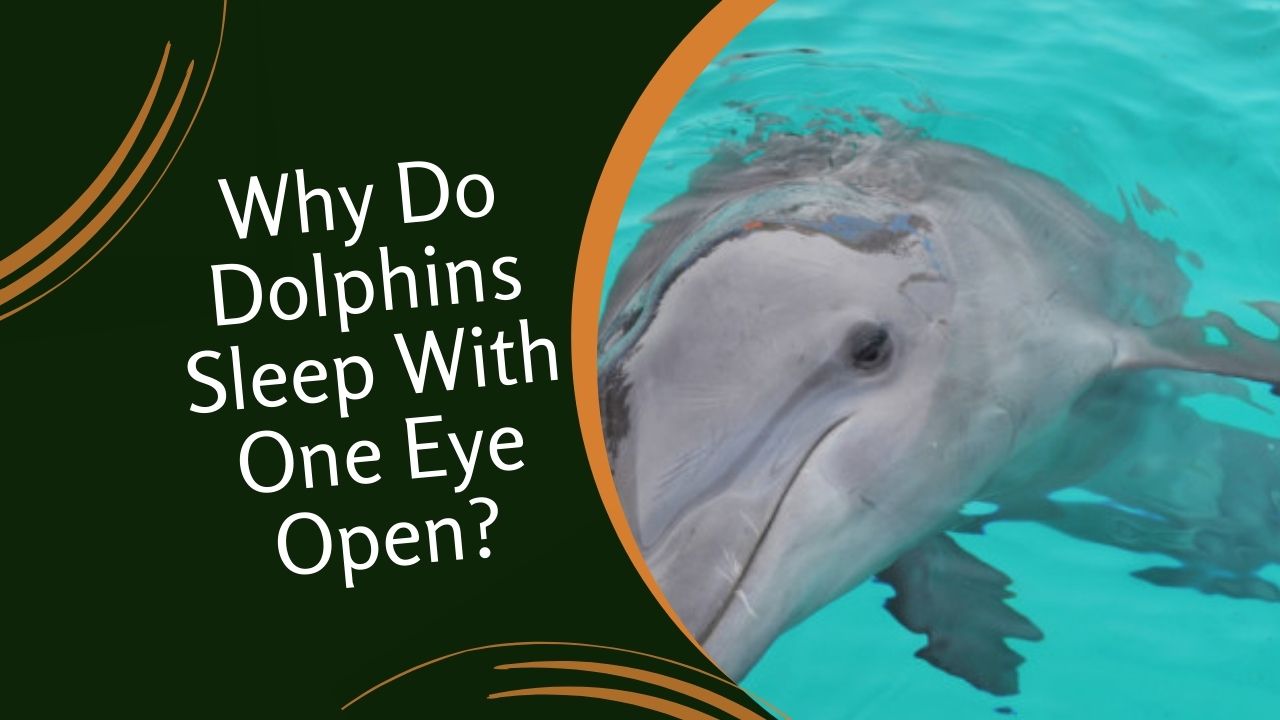

Dolphins are amazing animals that are well-known for their playful disposition and advanced intelligence. However, have you ever pondered how dolphins get their rest?
Dolphins are unable to fall asleep deeply and peacefully, unlike humans. Rather, they use a special kind of sleep called unihemispheric sleep, which enables them to both rest and remain alert.
A Closer Look into Unihemispheric Sleep
A dolphin that uses a unihemispheric sleep method has one-half of its brain asleep and the other half awake.
Because of this, dolphins are able to remain conscious of their environment even when they are sleeping. [Why Do Dolphins Sleep With One Eye Open?]
Dolphins find it extremely helpful to be able to sleep with one eye open because it helps shield them from any threats in the ocean.
The eye on the waking side of the brain stays open while the eye on the sleeping side stays closed during unihemispheric sleep.
Because of this, dolphins can see potential predators, move through the water, and even take proper breaths by coming to the surface when they need air.
See Also: Do Dolphins Sleep With Half Their Brain? Discover the Truth!
Positions And Postures For Sleeping
Dolphins sleep in a variety of positions based on their comfort levels and surroundings.
Dolphins occasionally sleep with their heads held above the water, vertically resting near the water’s surface.
This enables them to rest while still having easy access to fresh air.
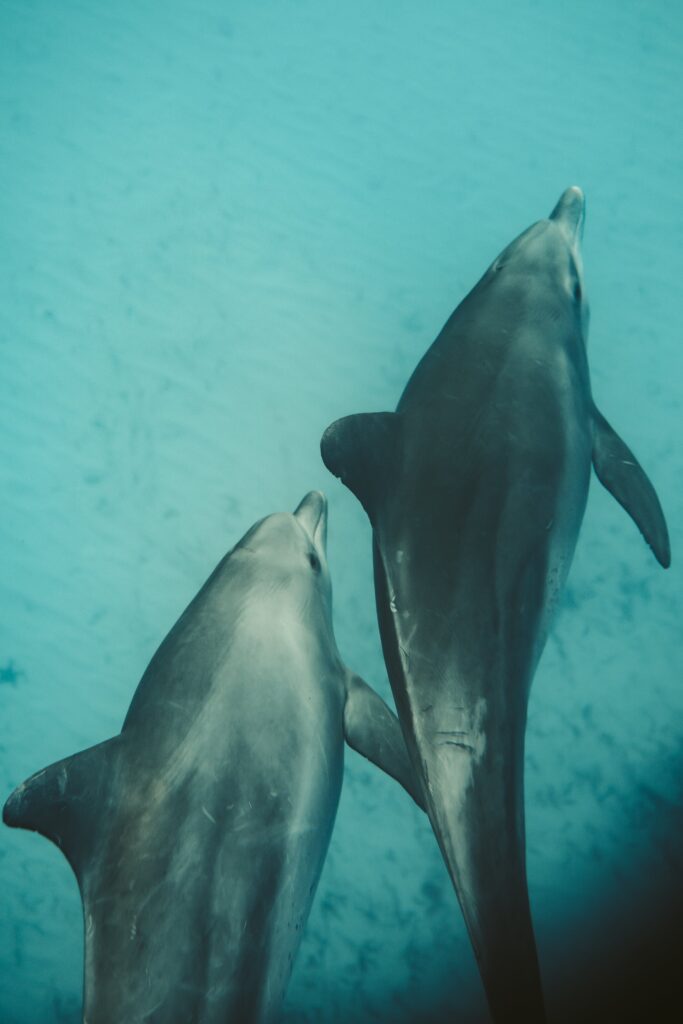
Other times, dolphins might choose to sleep horizontally, either at the surface or farther below the surface. [Why Do Dolphins Sleep With One Eye Open?]
They frequently form tight groupings known as “pods” and are known to sleep close to one another. In addition to reducing the chance of predator attack, sleeping in pods offers a feeling of protection.
All things considered, dolphins’ sleeping patterns are distinct and ideal for their aquatic lifestyle. Their capacity to sleep through the night with one eye open guarantees their survival in the wide ocean.
See Also: Do Dolphins Sleep Underwater? Do Dolphins Sleep While Swimming?
Frequently Asked Questions On Why Do Dolphins Sleep With One Eye Open?
Why Do Dolphins Sleep With One Eye Open?
Dolphins can only use one hemisphere of their brain at a time while they sleep because they display unihemispheric slow-wave sleep. Because of this adaptability, even when they are sleeping, they may continue to do essential tasks like breathing, swimming, and being aware of potential threats.
How Does Sleeping With One Eye Open Benefit Dolphins?
Dolphins have a special survival edge when they sleep with one eye open. It allows them to acquire the necessary slumber while maintaining a partial awareness of their environment, identifying potential threats or barriers, and coordinating group movements. Their survivability in the open ocean depends on this adaptation.
Do All Dolphins Sleep With One Eye Open?
While many species do not sleep with one eye open, this is one of their habits. It differs according to people and circumstances. Dolphins may sleep in bilateral patterns more typical of those found in locations where there are few perceived hazards. When staying conscious is necessary to survive, unihemispheric sleep is frequently seen.
Can Dolphins Fully Rest While Sleeping With One Eye Open?
Yes, even while one eye is open, dolphins are capable of falling asleep soundly. They can experience both rapid eye movement (REM) and slow-wave sleep because their brains can switch between hemispheres. Dolphins can get the rest they need for both physical and mental health, even though their sleep is unihemispheric.
Conclusion
As they can only rest half of their brain at a time, dolphins sleep with one eye open.
These adaptations enable them to maintain basic bodily functions like breathing and to remain vigilant against any threats.
Comprehending this captivating conduct illuminates the remarkable versatility of marine organisms.
The more we learn about dolphins, the more fascinating insights into their intricate lives and the amazing survival techniques they use to stay alive in their natural environment become apparent.

Mr. Das, a certified pharmaceutical scientist, holds a Bachelor of Science in Pharmaceutical Sciences and passionately contributes to dolphin conservation as a member of the committee in Bangladesh.

Comments are closed.