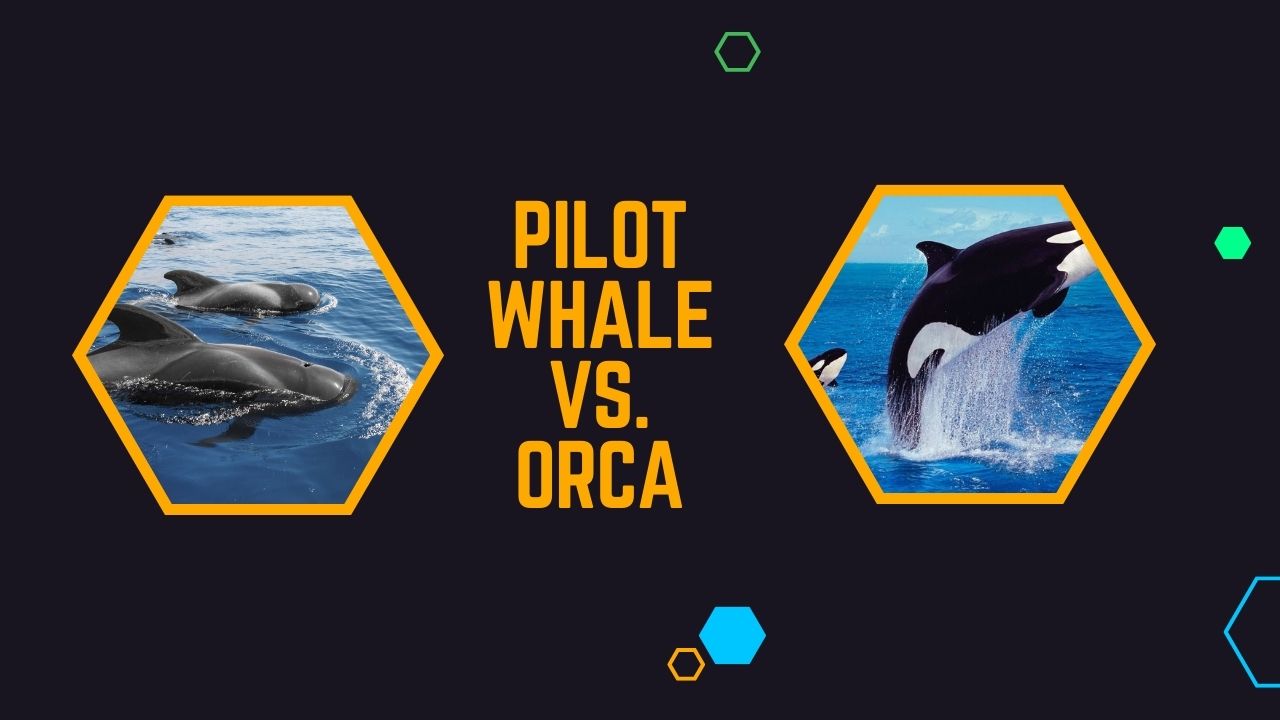

Pilot whales and orcas are both highly social and intelligent marine mammals. Their social behavior and communication methods are fascinating aspects of their lives, reflecting complex and dynamic interactions within their groups.
Group Dynamics
Pilot whales live in large cohesive groups called pods, which can consist of dozens to hundreds of individuals. These pods have strong social bonds and exhibit cooperative behaviors such as nursing and protecting each other’s young.
Similarly, orcas also form cohesive pods with close-knit family groups led by older females. The social structure within both species’ groups plays a crucial role in their survival and social interactions within their respective marine ecosystems.
Vocalizations
For communication and navigation in their aquatic surroundings, orcas and pilot whales rely largely on vocalizations. [Pilot Whale Vs. Orca]
They make a variety of noises, such as whistles, clicks, and pulsating calls. These vocalizations are used for a variety of tasks, such as finding prey and preserving social bonds inside their pods.
Both animals’ complex communication systems demonstrate how important sound is to their social interactions and general survival.
See Also: Dolphin Vs. Dolphinfish: Unveiling the Key Differences
Diet And Feeding Strategies
One fascinating aspect of comparing the Pilot Whale and the Orca is their diet and feeding strategies. Let’s dive into the specifics and explore how these magnificent marine creatures satisfy their hunger in the vast ocean.
Prey Preferences
Pilot Whales and Orcas differ in their prey preferences, which directly impacts their diets. Pilot Whales primarily feed on small fish and squid, with a preference for species like herring and mackerel.
On the other hand, Orcas are known as apex predators and have a broader diet, consuming a variety of prey including fish, squid, seals, sea lions, and even larger marine mammals such as seals and dolphins
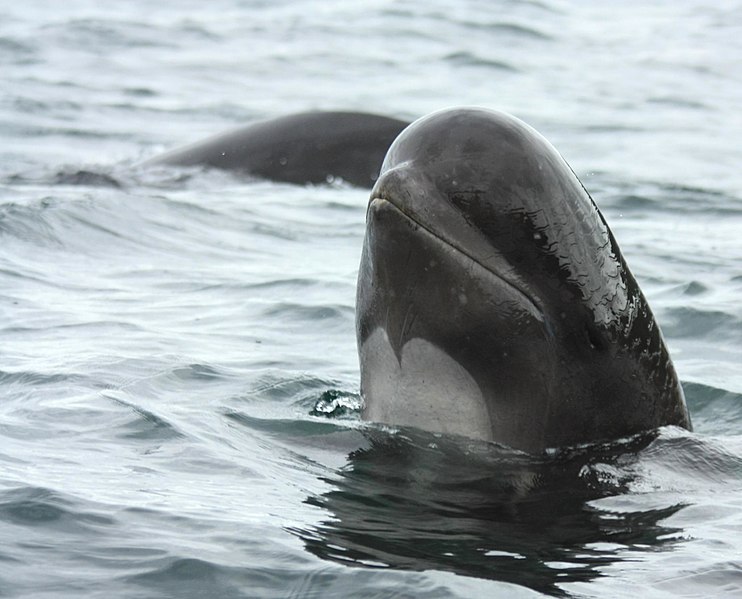
Hunting Techniques
Both species have developed highly effective hunting skills to guarantee successful captures. The cooperative hunting behavior of pilot whales is well-known; they frequently form close-knit pods and cooperate to herd their prey.
They may encircle their prey and force them towards the surface for better eating because to their coordinated effort. [Pilot Whale Vs. Orca]
On the other side, orcas have exceptional adaptability and hunting skills. Depending on the species of their prey, they use a variety of tactics.
To hunt fish, orcas, for example, may employ a strategy known as “carousel feeding,” in which they move in a circular pattern, producing waves that push the fish toward the surface.
This gives the orcas the chance to shock the fish with a forceful tail slap in addition to making it easier for them to catch the prey.
It is also well known that orcas are capable of hunting larger marine creatures. They employ strategies including coordinated attacks, in which many orcas cooperate to split up their victim and keep it apart from the rest of the group.
They can also utilize their strong jaws to paralyze and subdue their prey, or they can employ strategically placed waves to knock their prey off ice floes. [Pilot Whale Vs. Orca]Hunting Techniques Pilot Whales Orcas Prey Preferences Small fish and squid, primarily herring and mackerel Fish, squid, seals, sea lions, and larger marine mammals Cooperative Hunting Behavior Yes No Carousel Feeding No Yes Ability to Hunt Larger Marine Mammals No Yes
In conclusion, orcas distinguish themselves from pilot whales by having a wider range of prey choices and a more adaptable hunting style.
Both species have evolved distinctive diets and eating patterns. In order to maintain their survival in the constantly shifting ecology of the ocean, these apex predators exhibit an amazing variety of talents and hunting techniques.
See Also: Mahi Mahi Vs. Ahi Tuna: The Ultimate Showdown
Conservation Status And Threats
The Pilot Whale and Orca are two species that face various threats to their conservation. Understanding these threats and the efforts being made to protect these magnificent animals is crucial for their survival.
Human Impact
Human activities have had a profound impact on the conservation status of both Pilot Whales and Orcas. The following factors contribute to the threats they face:
Pollution: Chemical pollutants, plastic waste, and oil spills in the oceans have a detrimental impact on these marine mammals. They can suffer from contamination, ingestion of microplastics, and habitat degradation.
Fishing Gear: The accidental entanglement in fishing gear, such as nets and lines, poses a significant threat to both species. It can lead to injury, drowning, and even death. [Pilot Whale Vs. Orca]
Habitat Loss: Destruction of their natural habitats due to coastal development, marine traffic, and climate change disrupts their feeding and breeding patterns. This loss of habitat diminishes their chances of survival.
See Also: Dolphin Teeth Vs. Human Teeth: A Comparative Analysis
Conservation Efforts
Recognizing the importance of conserving these marine mammals, various conservation efforts have been initiated to protect Pilot Whales and Orcas. These include:
Protected Areas: The establishment of marine protected areas helps preserve the critical habitats of these species. These protected areas provide a safe haven for them to feed and reproduce.
Education and Awareness: Raising awareness about the importance of conserving these species is vital.
Educational campaigns, documentaries, and initiatives promote responsible and sustainable interactions with marine life.
Research and Monitoring: Studies focused on understanding the behavior, population dynamics, and migration patterns of Pilot Whales and Orcas provide valuable insights into their conservation.
This research helps identify areas that require intervention and supports conservation decision-making.
Regulation and Enforcement: Implementing laws and regulations to address issues such as pollution, fishing practices, and vessel traffic helps reduce human impact on these marine mammals.
Enforcement ensures compliance and protects their habitats. Efforts to conserve Pilot Whales and Orcas are ongoing, as conservationists work relentlessly to safeguard the future of these incredible species. [Pilot Whale Vs. Orca]
Frequently Asked Questions For Pilot Whale Vs. Orca
Do Pilot Whales Fight Killer Whales?
Yes, pilot whales have been known to fight killer whales to protect their pods. This behavior is observed in the wild and is a natural defense mechanism to safeguard their group.
Are Pilot Whales Bigger Than Orca?
Pilot whales are not bigger than orcas. Orcas, also known as killer whales, are larger, with adult males reaching lengths of up to 32 feet and weighing up to 12,000 pounds. In comparison, pilot whales grow to around 18 to 24 feet in length and weigh up to 7,000 pounds.
Do Pilot Whales Have Any Predators?
Pilot whales have few predators due to their large size and strong social bonds. However, they can occasionally be preyed upon by killer whales and large sharks. Their tight-knit groups provide protection against such threats. [Pilot Whale Vs. Orca]
Are Pilot Whales Friendly?
Yes, pilot whales are known for their friendly and social behavior towards humans and other species. They are often curious and may approach boats. However, it’s important to remember that they are wild animals and should be observed from a respectful distance.
Conclusion
In the end, the distinctions between orcas and pilot whales are fascinating. Even though they are both extremely intelligent marine mammals, they differ in terms of their social structures and habits.
Whether it’s the soft disposition of the pilot whale or the formidable hunting prowess of the orca, every species has distinct qualities that provide them interest for research and appreciation.

Mr. Das, a certified pharmaceutical scientist, holds a Bachelor of Science in Pharmaceutical Sciences and passionately contributes to dolphin conservation as a member of the committee in Bangladesh.

Comments are closed.