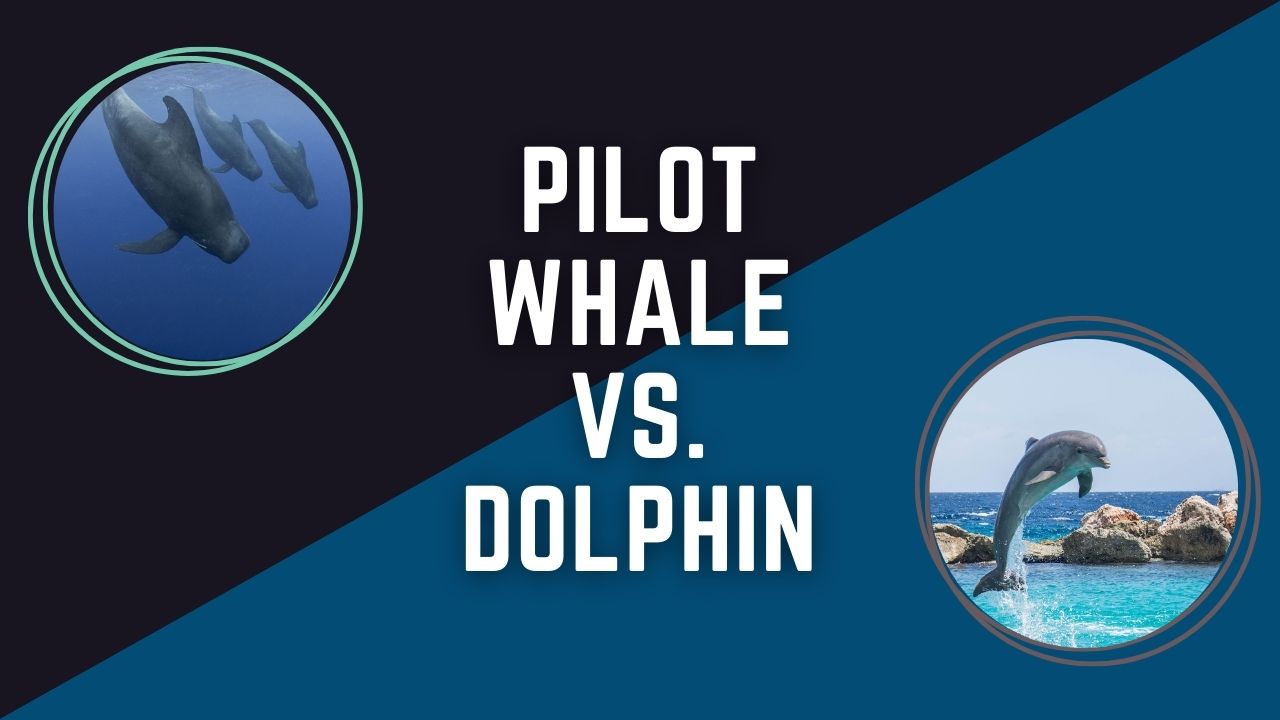

Fish, octopus, and squid are the main foods that pilot whales consume. Because of their strong, voracious appetites, they can behave like killer whales when they hunt.
Dolphins, on the other hand, eat a diverse array of foods, including fish, squid, and crustaceans. Their eating habits are remarkably adaptable as they dine on a variety of marine creatures. [Pilot Whale Vs. Dolphin]
Natural Habitats And Migration Patterns
Oceanic Wanderers: Pilot Whales’ Nomadic Lifestyle
Pilot whales are renowned for leading nomadic lives; they frequently scour wide maritime swaths in pursuit of squid, which is their main food source.
Their preference lies in temperate and subpolar regions, but they can adapt very well to a wide range of maritime habitats.
Large-scale movements are a defining feature of their migration patterns; certain populations have been known to traverse hundreds of miles in a short period of time.
See Also: Do Whales Eat Dolphins? Revealing the Predatory Behavior
Coastal Dwellers: Dolphins’ Affinity for Shallow Waters
Dolphins, however, are frequently found in shallow, nearshore settings and show a strong love for coastal waters. They prefer warmer waters in their natural habitats, which are bays, estuaries, and reefs.
Dolphins migrate across short and large distances, usually in response to changes in the seasonal environment and the movements of their prey. [Pilot Whale Vs. Dolphin]
Conservation Status And Threats
Anthropogenic Peril: The Impact of Human Activities on Pilot Whales
Dolphin and pilot whale conservation is in jeopardy because of a number of human-caused activities.
Their well-being is significantly impacted by pollution, habitat degradation, and underwater noise pollution from maritime activity.
Their populations are also seriously threatened by fishing methods including bycatch and gillnetting.
The mitigation of these manmade hazards necessitates the implementation of protective measures and awareness-raising campaigns. [Pilot Whale Vs. Dolphin]
Ecological Vulnerability: The Ongoing Conservation Concerns for Dolphins
Dolphin conservation remains a difficulty, especially given the species’ ecological sensitivity.
Coordinated conservation measures are required because of their vulnerability to pollution, habitat deterioration, and entanglement in fishing gear.
To safeguard the health of dolphin populations, it is imperative to address these persistent issues and put into practice sensible conservation techniques.
See Also: Do Killer Whales Live In Florida? Unveiling The Fascinating Truth
Frequently Asked Questions On Pilot Whale Vs. Dolphin
What Are The Physical Differences Between Pilot Whales And Dolphins?
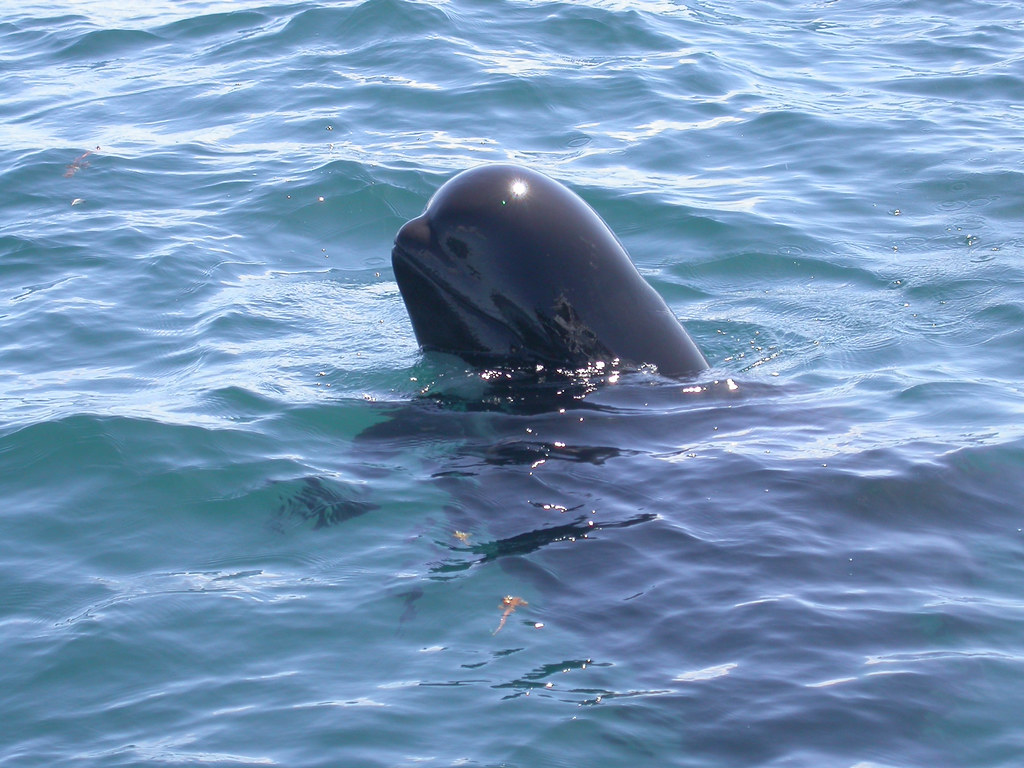
Dolphins are smaller with a more streamlined physique, while pilot whales are larger with a bulbous head. In addition, their fin shapes and colors differ; for example, compared to dolphins, pilot whales have a more prominent dorsal fin and a darker pigmentation. [Pilot Whale Vs. Dolphin]
Do Pilot Whales And Dolphins Have Different Social Behaviors?
It is true that dolphins typically form smaller, more fluid groups, but pilot whales typically move in bigger pods and are recognized for having strong social systems. Another notable characteristic of pilot whales is their unique vocalizations, which set them apart from dolphins.
Are There Any Differences In The Diet Of Pilot Whales And Dolphins?
While dolphins have a broader range of foods that may include fish, squid, and crustaceans, pilot whales typically eat fish and squid. Dolphins dive shallower, but pilot whales frequently go to tremendous depths in search of prey. These two hunting techniques also differ.
Conclusion
Pilot whales and dolphins differ from one another in subtle but important ways.
Despite having similar characteristics and being members of the same marine family, they are distinct animals that should be studied and preserved due to their differences in size, behavior, and social structure.
Conservation efforts depend on our ability to comprehend each species’ unique roles throughout the marine ecosystem.

Mr. Das, a certified pharmaceutical scientist, holds a Bachelor of Science in Pharmaceutical Sciences and passionately contributes to dolphin conservation as a member of the committee in Bangladesh.

Comments are closed.