

It’s crucial to weigh the ethical and environmental ramifications of fishing methods while deciding between Mahi Mahi and Ahi Tuna.
Though their sourcing practices and effects on marine ecosystems are different, both fish are well-liked options for seafood enthusiasts.
We’ll examine fishing laws, environmental initiatives, effects on marine environments, and moral issues surrounding the procurement of Mahi Mahi and Ahi Tuna in this piece. [Mahi Mahi Vs. Ahi Tuna]
Fishing Regulations And Sustainability Efforts
Regulations governing fishing for Mahi Mahi and Ahi Tuna are in place to ensure their sustainability.
To stop overfishing, catch limits and quotas are set by fisheries management organizations like the Western and Central Pacific Fisheries Commission (WCPFC) and the International Commission for the Conservation of Atlantic Tunas (ICCAT).
These rules support the preservation of a robust fish population and safeguard the marine environment.
Impact On Marine Ecosystems
The techniques employed for catching Ahi Tuna and Mahi Mahi can have different effects on the marine environment.
The bycatch of non-target species, such as sea turtles, sharks, and marine mammals, can occur when attempting to catch ahi tuna, which is commonly obtained using longline and purse seine methods.
However, more selective techniques like trolling or pole-and-line fishing are frequently used to catch mahi mahi, which can lessen the impact on non-target species. [Mahi Mahi Vs. Ahi Tuna]
Ethical Considerations In Sourcing Mahi Mahi And Ahi Tuna
Fair compensation, supply chain transparency, and the treatment of fishermen are among the ethical factors taken into account while procuring Mahi Mahi and Ahi Tuna.
Certain fishing operations place a high value on ethical and sustainable methods, making sure that the communities and people who work in the fishing business are treated justly and morally.
See Also: Is Mahi Mahi High In Carbs? Low-Carb Delight or Carb Overload?
Contrasting Taste And Texture Characteristics
Popular fish with different tastes and textures are mahi mahi and ahi tuna.
When selecting a dish to satisfy your palate, knowing the distinctions between these two fish selections will help you make an informed choice.
Let’s examine the different flavor and texture characteristics of ahi tuna and mahi mahi. [Mahi Mahi Vs. Ahi Tuna]
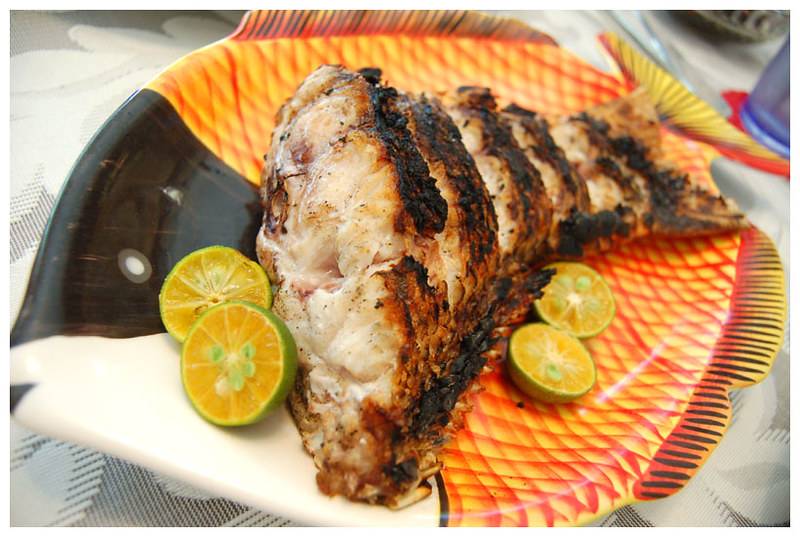
Distinct Taste Profiles Of Mahi Mahi And Ahi Tuna
Mahi Mahi: Often compared to swordfish and sea bass, this adaptable fish has a gentle, sweet flavor.
It’s somewhat sweet flavor complements a wide range of sauces and seasonings, which makes it a favorite among seafood enthusiasts looking for a subtle flavor profile.
Ahi Tuna: Often referred to as yellowfin tuna, ahi tuna has a flavor that is rich, meaty, and slightly umami. Because of its strong flavor and solid texture, it can be grilled, seared, or eaten raw as sushi or sashimi.
Textural Differences In Various Cooking Applications
Based on the cooking procedure, the textures of Mahi Mahi and Ahi Tuna exhibit various characteristics:
Mahi Mahi: Grilling, baking, or pan-searing works well for this fish because of its firm, lean meat. It’s still moist and flaky, which makes it a great option for a variety of cooking methods.
Ahi Tuna: To maintain its smooth consistency, this meaty fish, which is well-known for its dense texture, is best eaten rare or medium-rare. Seared or eaten raw, ahi tuna has a smooth, buttery mouthfeel. [Mahi Mahi Vs. Ahi Tuna]
Factors Influencing Flavor And Texture Variations
The flavor and texture of Mahi Mahi and Ahi Tuna can be influenced by various factors:
Dietary habits: Mahi Mahi and Ahi Tuna mostly eat smaller fish and crustaceans, whereas smaller fish and squid are frequently consumed by Mahi Mahi. This can have an impact on the taste and texture of these fish species.
Cooking methods: The taste and texture features of Mahi Mahi and Ahi Tuna can be greatly influenced by the way they are prepared, whether they are grilled, seared, or eaten raw.
Origin and freshness: The quality of the catch immediately affects the eating experience, and these factors are important in determining the flavor and texture of the fish. [Mahi Mahi Vs. Ahi Tuna]
See Also: Can You Eat Mahi Mahi Everyday? Health Benefits & Risks Explained
Exploring Potential Health Advantages And Concerns
Health Benefits Of Consuming Mahi Mahi And Ahi Tuna
Mahi Mahi and Ahi Tuna are well-liked options when it comes to seafood because of their mouthwatering flavor and countless possible health advantages.
With its distinct nutritional profiles, each kind is a useful complement to a diet that is well-balanced.
The dolphinfish, or mahi mahi, is a valuable source of protein, vitamin B-12, niacin, and selenium, among other critical elements.
These nutrients are essential for maintaining red blood cell synthesis, immune system support, and muscle function, among other aspects of general health.
Conversely, the high concentration of omega-3 fatty acids found in ahi tuna makes it highly valued for its potential heart health benefits.
It is also a fantastic source of lean protein and important vitamins, which makes it a wholesome choice for anyone trying to keep up a balanced diet. [Mahi Mahi Vs. Ahi Tuna]
Mercury Levels And Other Potential Risks
Making educated food choices requires knowing the possible hazards connected to eating Ahi Tuna and Mahi Mahi.
It’s crucial to remember that both fish species may have moderate mercury levels, which can be harmful to people’s health, particularly those who are more susceptible like small children and pregnant women.
For those who are worried about mercury exposure, mahi mahi is a better option because it typically has lower mercury levels than ahi tuna.
Ahi tuna is a great source of nutrients, but because of its increased mercury concentration, it should only be consumed in moderation to reduce the health concerns associated with mercury exposure. [Mahi Mahi Vs. Ahi Tuna]
Allergenic Considerations For Both Fish Varieties
It is important to take allergy reactions into account while including Mahi Mahi and Ahi Tuna in one’s diet. Since both types are known to be allergenic, people who are allergic to seafood should be careful when eating this fish.
It is important to note that certain proteins found in Ahi Tuna and Mahi Mahi can cause allergic reactions in those who are sensitive.
To avoid negative responses, people who are known to be allergic to seafood should speak with a healthcare provider before including this type of fish in their diet. [Mahi Mahi Vs. Ahi Tuna]
Exploring Iconic Recipes And Culinary Inspirations
Mahi Mahi and Ahi Tuna are two well-liked fish options that frequently take center stage in culinary masterpieces.
These flavorful, adaptable fish have distinct textures and aromas that encourage home cooks and chefs to collaborate to produce classic meals from a variety of culinary traditions.
See Also: Is Mahi Mahi Healthy For Cholesterol? The Ultimate Guide
Iconic Mahi Mahi Dishes Across Different Cuisines
Dolphinfish, or mahi mahi, is a solid, lean fish with a subtle, sweet flavor. It is a mainstay in many different international cuisines due to its adaptability.
From the Mediterranean to the Caribbean, mahi mahi is a staple in many famous recipes.
Mango Salsa with Mahi Mahi: A blend of tropical flavors, this dish highlights the Caribbean and Latin American influences by combining the sweet, lively taste of mango salsa with the succulent flavor of mahi mahi.
Tacos Mahi Mahi: A favorite along the coast, mahi mahi tacos are a wonderful blend of flaky fish, crunchy veggies, and spicy sauces that perfectly capture the essence of coastal Mexican cuisine.
Mahi Mahi Piccata: Mediterranean dishes like piccata, which has a zesty lemon and caper sauce that accentuates the subtle flavor of the fish, give Mahi Mahi a pleasant touch. [Mahi Mahi Vs. Ahi Tuna]
Signature Ahi Tuna Preparations And Dishes
Ahi Tuna, also known as yellowfin tuna, is renowned for its rich, meaty texture and bold flavor. This prized fish has inspired a multitude of signature dishes that showcase its unique characteristics.
Sesame Seared Ahi Tuna: A traditional dish that brings out the subtle flavor of the fish, the sesame crust provides a nutty counterpoint to the soft, rare middle, perfectly encapsulating the spirit of Asian-inspired cuisine.
Ahi Tuna Poke Bowl: A native of Hawaii, this meal is made of marinated raw ahi tuna and is typically served over rice with a variety of tasty, fresh toppings to showcase the islands’ vivid culinary culture.
Ahi Tuna Tataki: Ahi Tuna Tataki is a delicacy with Japanese influences that combines the flavors and textures of thinly sliced, lightly cooked Ahi Tuna with zesty ponzu sauce and shredded ginger. [Mahi Mahi Vs. Ahi Tuna]
Creative Fusion Recipes Combining Mahi Mahi And Ahi Tuna
When it comes to culinary creativity, the fusion of Mahi Mahi and Ahi Tuna opens up a world of exciting possibilities, blending the best qualities of both fish to create captivating and innovative dishes.
Mixed Seafood Ceviche: This light meal with Latin American influences combines the firm firmness of Mahi Mahi and the meaty richness of Ahi Tuna. The two flavors are married in a zesty citrus marinade, creating a pleasant contrast of flavors and textures.
Mahi Mahi and Ahi Tuna Grilled Fish Tacos: A celebration of coastal cuisine, these tacos showcase a mouthwatering pair of fish, each contributing a distinct taste profile to a harmonious fusion of grilled perfection, ideal for a seaside feast.
Tropical Tuna and Mahi Mahi Skewers: These skewers, which are adorned with colorful fruits and vegetables, highlight the adaptability of both Ahi Tuna and Mahi Mahi, resulting in a pleasant blend of flavors that evoke the essence of grilling inspired by an island getaway. [Mahi Mahi Vs. Ahi Tuna]
See Also: Is Mahi Mahi High In Mercury? Safely Enjoy this Popular Fish
Frequently Asked Questions For Mahi Mahi Vs. Ahi Tuna
What Are The Main Differences Between Mahi Mahi And Ahi Tuna?
The taste and texture of Mahi Mahi and Ahi Tuna are different. Ahi Tuna is rich and meaty with a distinct flavor, while Mahi Mahi has a mild, sweet flavor and a solid texture. Their taste and texture are also influenced by the many ways they are cooked.
How Should I Cook Mahi Mahi And Ahi Tuna?
You can grill, bake, or pan-sear mahi mahi because it’s quite adaptable. It goes great with marinades and tropical flavors. The finest way to savor the rich flavor and delicate texture of ahi tuna is cooked rare. For both fish to retain their flavor and freshness, little cooking is necessary. [Mahi Mahi Vs. Ahi Tuna]
Are Mahi Mahi And Ahi Tuna Sustainable Seafood Choices?
Indeed, when obtained ethically, both mahi mahi and ahi tuna are sustainable seafood options. To confirm that the fish is harvested or raised sustainably, look for certificates like MSC or ASC. You may contribute to the health of ocean ecosystems by making wise decisions.
Conclusion
Ahi Tuna and Mahi Mahi both have delicious flavors and nutritious advantages. Gaining an understanding of their variations in flavor, consistency, and preparation techniques will improve your cooking experience.
You can enjoy the distinct characteristics of each fish in your meals, regardless of whether you favor the hardness of Mahi Mahi or the rich flavor of Ahi Tuna.

Mr. Das, a certified pharmaceutical scientist, holds a Bachelor of Science in Pharmaceutical Sciences and passionately contributes to dolphin conservation as a member of the committee in Bangladesh.

Comments are closed.