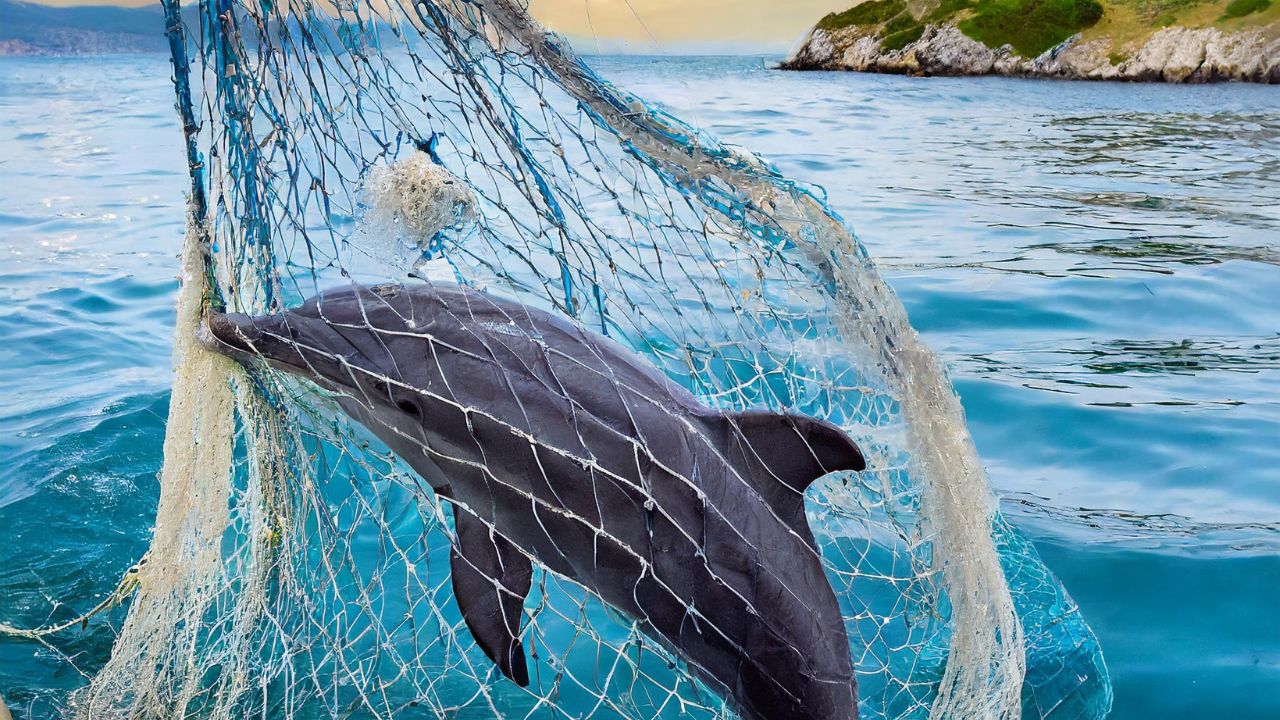

Since dolphins play such a vital part in marine ecosystems, the Marine Mammal Protection Act (MMPA) forbids the killing of dolphins, which serves an important conservation function.
Dolphins are keystone species that are essential to preserving the harmony and health of the oceans, not just adorable marine mammals.
Their presence affects prey populations and contributes to the overall ecological equilibrium by regulating the abundance and distribution of marine species.
The Marine Mammal Protection Act (MMPA) helps to maintain marine biodiversity and resilience by protecting dolphin populations. [Is It Illegal To Kill Dolphins In The US?]
Dolphin declines can have a domino effect on marine food webs and ecosystem dynamics, as they serve as indicators of the health of ecosystems.
For this reason, maintaining dolphin populations is not only required by law but also essential to maintaining the biodiversity and proper operation of our oceans.
See Also: Is It Illegal To Swim With Wild Dolphins? Discover the Legalities
International Implications
Extraterritorial Application:
- The MMPA extends beyond domestic waters to encompass U.S. citizens engaging in activities abroad that may harm marine mammals.
- This extraterritorial application of the law underscores the United States’ commitment to global marine mammal conservation.
Diplomatic Engagement:
- The United States actively engages with other nations and international organizations to promote marine mammal conservation.
- Diplomatic efforts include negotiating cooperative agreements, facilitating scientific research, and participating in capacity-building initiatives.
Collaborative Initiatives:
- Collaborative initiatives aim to advance global conservation efforts and protect marine mammals on a broader scale. [Is It Illegal To Kill Dolphins In The US?]
- Through partnerships with international stakeholders, the United States leverages its influence and resources to address shared conservation challenges.
Leadership in Conservation:
- By upholding the prohibition on killing dolphins and other marine mammals, the United States demonstrates leadership in marine conservation.
- Its commitment to preserving marine biodiversity and ensuring the long-term health of oceans contributes to global sustainability efforts.
Strengthening Global Conservation:
- The MMPA strengthens global conservation efforts by reinforcing the interconnectedness of marine ecosystems across borders.
- Through its international reach and collaborative approach, the MMPA plays a pivotal role in protecting marine mammals and preserving ocean health worldwide.
See Also: Is It Illegal To Communicate With Dolphins (2024)?
Enforcement and Collaborative Efforts
Coordination between government agencies, environmental groups, and the general public is required to enforce the ban on killing dolphins.
To protect marine mammal populations, government agencies such as the National Oceanic and Atmospheric Administration (NOAA) are in charge of keeping an eye on and implementing the MMPA’s regulations.
However, public awareness and participation are crucial to the effectiveness of enforcement actions. The public is essential in alerting authorities to any infractions and in supplying them with valuable information.
Environmental organizations also work with government authorities to address new risks to dolphin populations by providing resources and expertise to support enforcement efforts.
Stakeholders can ensure the efficacy of legal safeguards in conserving dolphins and maintaining marine ecosystems by promoting collaboration and organizing collective action.
Frequently Asked Questions (FAQs)
Who Enforces The Prohibition On Killing Dolphins Under The MMPA?
Government agencies, such as the National Oceanic and Atmospheric Administration (NOAA), are responsible for monitoring and enforcing the MMPA’s provisions to protect marine mammal populations.
What Are The Penalties For Violating The Prohibition On Killing Dolphins?
Violators of the MMPA may face significant fines, penalties, and legal consequences commensurate with the severity of the offense, reflecting the commitment to enforce the law and protect dolphins. [Is It Illegal To Kill Dolphins In The US?]
How Can The Public Contribute To Enforcing The Prohibition On Killing Dolphins?
Public engagement and awareness are crucial. Citizens can report potential violations to authorities, providing essential information that supports enforcement efforts and ensures the effectiveness of legal safeguards.
Why Is Collaborative Effort Important In Enforcing The Prohibition On Killing Dolphins?
Collaboration among government agencies, environmental organizations, and the public enhances enforcement measures. It mobilizes collective action, strengthens monitoring efforts, and addresses emerging threats to dolphin populations more effectively.
What Role Do Environmental Organizations Play In Enforcing The Prohibition On Killing Dolphins?
Environmental organizations contribute expertise and resources to support enforcement activities. They collaborate with government agencies, provide valuable insights, and help address conservation challenges to protect dolphins and marine ecosystems.
Conclusion: Is It Illegal To Kill Dolphins In The US?
Finally, the unequivocal prohibition on killing dolphins in the United States, as established by the Marine Mammal Protection Act, reflects our collective commitment to the conservation of marine life.
By understanding and upholding these legal protections, we contribute to the preservation of dolphins and the overall health of our oceans.
Hopefully, as stewards of the seas, we can continue to advocate for the well-being of marine mammals and work towards a sustainable and harmonious coexistence with the remarkable creatures that inhabit our oceans.

Mr. Das, a certified pharmaceutical scientist, holds a Bachelor of Science in Pharmaceutical Sciences and passionately contributes to dolphin conservation as a member of the committee in Bangladesh.
Table of Contents
- 1 International Implications
- 2 Enforcement and Collaborative Efforts
- 3 Frequently Asked Questions (FAQs)
- 3.1 Who Enforces The Prohibition On Killing Dolphins Under The MMPA?
- 3.2 What Are The Penalties For Violating The Prohibition On Killing Dolphins?
- 3.3 How Can The Public Contribute To Enforcing The Prohibition On Killing Dolphins?
- 3.4 Why Is Collaborative Effort Important In Enforcing The Prohibition On Killing Dolphins?
- 3.5 What Role Do Environmental Organizations Play In Enforcing The Prohibition On Killing Dolphins?
- 4 Conclusion: Is It Illegal To Kill Dolphins In The US?

Comments are closed.