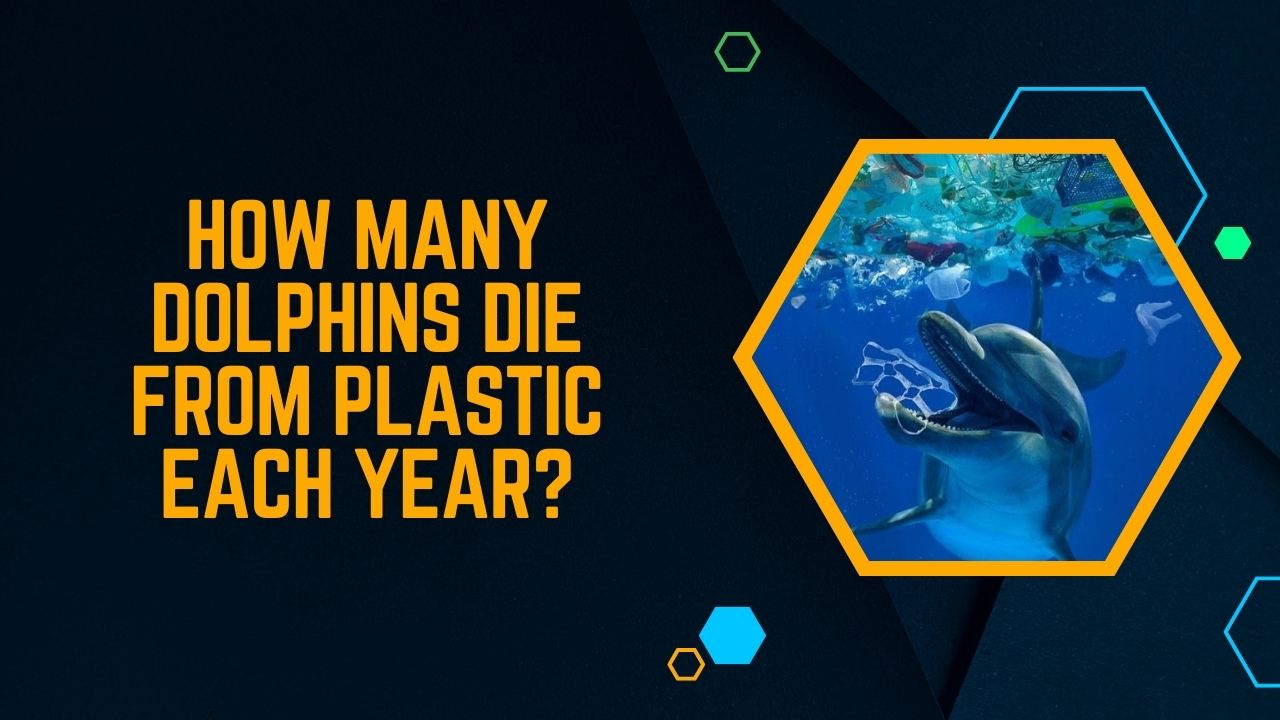

In the modern world, dolphin death as a result of plastic pollution is a serious worry. One of the main causes of dolphin death is ingestion of plastic.
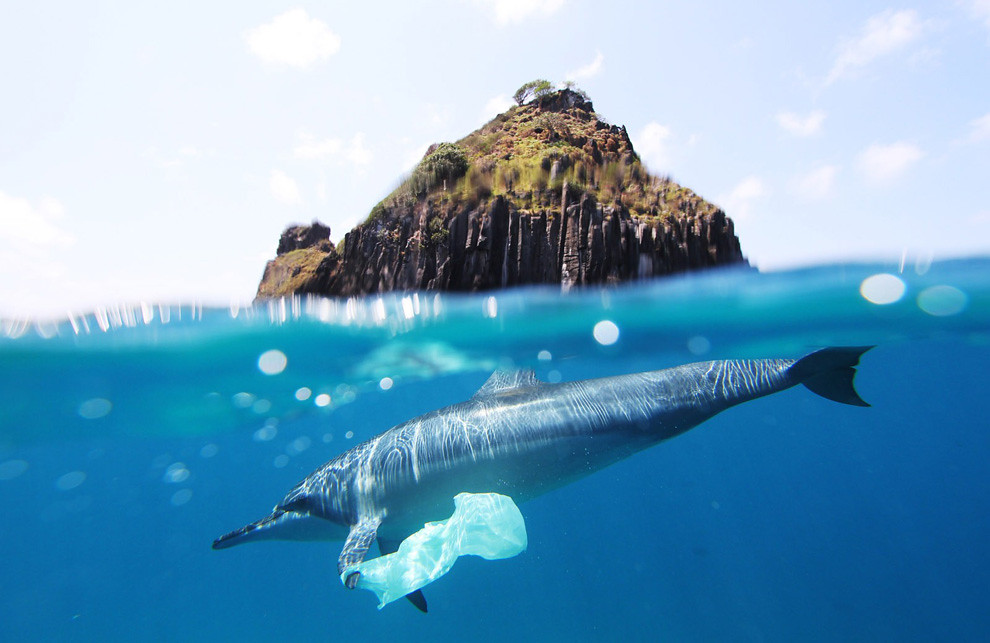
Dolphins frequently ingest plastic trash after mistaking it for food, which can cause internal damage, obstructions, and even death.
Dolphins may also become entangled in plastic, such as fishing nets and loose ropes, which can impair their mobility, injure them, and increase their risk of drowning or predation.
Moreover, food and water sources can cause chemical contamination, such as pesticides and heavy metals, to build up in dolphin tissues.
The immunological and reproductive systems of dolphins can be compromised by these contaminants, which can result in their death. [How Many Dolphins Die From Plastic Each Year?]
To safeguard these amazing animals and their delicate marine environments, it is imperative that people, governments, and organizations work together to minimize chemical contamination, encourage appropriate waste management techniques, and eliminate plastic pollution.
See Also: Do Dolphins Eat Plastic? Can Dolphins Digest Plastic?
Efforts To Combat Dolphin Deaths
In an effort to stop dolphin deaths brought on by plastic pollution, efforts are being made. Initiatives to reduce the use of plastic are essential for addressing this problem.
Dolphin conservation and awareness-raising initiatives are being carried out by numerous governments and organizations worldwide.
Programs for conservation aim to safeguard dolphins’ natural habitats and keep them safe from plastic garbage. The goal of these programs is to lessen the quantity of plastic that ends up in rivers, the ocean, and coastal areas.
These initiatives include disposing of plastic waste, enforcing laws governing its use, and endorsing eco-friendly substitutes. [How Many Dolphins Die From Plastic Each Year?]
It is also crucial to make people aware of the harm that plastic pollution does to dolphins. Public awareness campaigns promote responsible plastic use by teaching people about the effects of plastic on marine life, particularly dolphins.
These initiatives include community outreach initiatives, workshops, and instructional campaigns.
| Plastic Reduction Initiatives |
| – Cleaning up plastic debris from oceans, rivers, and coastal areas |
| – Implementing regulations on plastic usage |
| – Promoting sustainable alternatives to single-use plastics |
Together, plastic reduction strategies, conservation initiatives, and public awareness efforts are expected to significantly reduce the annual number of dolphin deaths brought on by plastic pollution.
Preserving these remarkable creatures and their marine environments is essential for a sustainable future. [How Many Dolphins Die From Plastic Each Year?]
See Also: Why Are Dolphins Called Killer Whales? Their Secret Fascination
Frequently Asked Questions On How Many Dolphins Die From Plastic Each Year?
How Does Plastic Pollution Affect Dolphins?
Dolphins are severely impacted by plastic pollution. They may confuse plastic for food, which could result in internal damage, starvation, or even death. Furthermore, plastic waste can entangle them and impede their movement, making it harder for them to communicate, find food, and swim.
What Are The Main Sources Of Plastic In The Oceans?
Single-use plastics, including those found in bottles, bags, and packaging, are the primary causes of plastic pollution in the oceans. Due to inappropriate disposal, littering, or insufficient waste management, these objects frequently wind up in aquatic bodies. In addition, a major contributor to ocean pollution is plastic garbage from fishing and industry.
How Can Plastic Pollution Be Reduced To Protect Dolphins?
We can take a few actions to lessen the pollution caused by plastic and safeguard dolphins. Reusable bottles and bags are environmentally friendly substitutes for single-use plastics. Recycling and proper trash management are essential. Raising awareness of the problem and endorsing programs that encourage plastic-free oceans can have a big impact.
Conclusion
It is concerning how plastic is affecting dolphins. The figures show how severely plastic pollution affects these amazing animals.
Given that plastic trash kills hundreds of thousands of dolphins annually and damages their ecosystem, immediate action is required to minimize plastic waste.
We can secure the survival of these amazing marine animals for future generations and contribute to a healthy future by advocating responsible consumption, enacting sustainable behaviors, and raising awareness.

Mr. Das, a certified pharmaceutical scientist, holds a Bachelor of Science in Pharmaceutical Sciences and passionately contributes to dolphin conservation as a member of the committee in Bangladesh.
Table of Contents

Comments are closed.