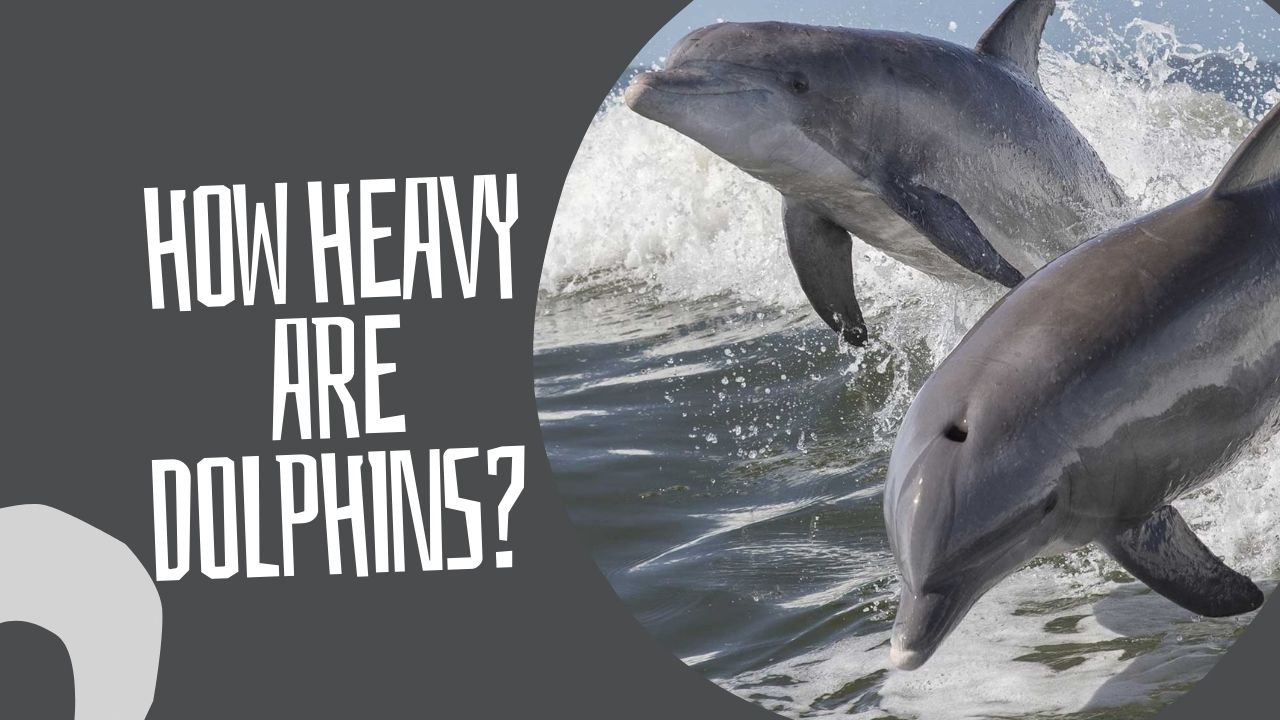

Dolphins’ exceptional intellect and ability to adapt to aquatic surroundings is reflected in the interesting variety of behaviors and feeding tactics they display.
Gaining knowledge of these behaviors can help us better understand their ecological roles and the need for protection. [How Heavy Are Dolphins?]
Social Behavior
Dolphins are extremely gregarious creatures, and within their pods or groups, they frequently create intricate social structures. These pods can contain anywhere from a few dolphins to hundreds of dolphins in massive aggregations.
Dolphin social interactions are essential for communication, teamwork, and camaraderie among pod members.
Dolphins are able to organize group activities and uphold social cohesion because of their extensive repertory of vocalizations, tactile cues, and body language.
Group Dynamics
Dolphins that live in groups enjoy many advantages, including as improved foraging effectiveness, safety from predators, and opportunities for social learning.
Dolphins frequently cooperate with one another to corral and catch animals during hunting activities.
Different dolphin species and populations may have different pod structures and compositions due to social dynamics, habitat type, and the availability of prey.
Within their pods, some dolphins establish steady, enduring bonds, while others display more erratic social dynamics. [How Heavy Are Dolphins?]
Feeding Strategies
As opportunistic feeders, dolphins consume a variety of foods, such as fish, squid, crabs, and occasionally marine mammals. The type of prey and the surrounding factors influence their feeding strategies.
Dolphins frequently utilize two methods of feeding: stunning, in which they use their tails or flippers to administer precise strikes to incapacitate prey and herding, in which they concentrate prey into small clusters.
Certain dolphin species have unique eating habits, like beach strandings or cooperative fishing with human fishers, which highlights their extraordinary capacity for problem-solving and flexibility in response to shifting conditions.

Foraging Ecology
The location, availability, and accessibility of prey all influence the ecology of dolphin foraging. To find and catch prey, dolphins use a variety of sensory modalities like as eyesight, echolocation, and tactile perception.
Dolphins depend heavily on echolocation in particular, which gives them the ability to navigate their surroundings, find prey, and recognize possible predators with amazing accuracy. [How Heavy Are Dolphins?]
Dolphins are able to construct intricate mental maps of their environment by producing high-frequency sound pulses and deciphering the echoes reflected off nearby objects.
Frequently Asked Questions (FAQs)
How Much Do Dolphins Weigh On Average?
On average, dolphins weigh between 88 pounds (40 kilograms) for smaller species like Maui’s dolphins and over 22,000 pounds (10,000 kilograms) for larger species like killer whales.
What Is The Weight Range Of Dolphins?
Dolphin weights range from approximately 88 pounds (40 kilograms) to over 22,000 pounds (10,000 kilograms), depending on species, age, sex, and individual factors. [How Heavy Are Dolphins?]
Are There Differences In Weight Between River Dolphins And Oceanic Dolphins?
Yes, river dolphins tend to be smaller and lighter than oceanic dolphins, but there are exceptions, and weight can vary within and between species based on factors like habitat and diet.
How Does A Dolphin’s Weight Affect Its Behavior And Habitat Preferences?
Dolphin weight influences behavior and habitat preferences, with smaller dolphins favoring coastal waters for protection and food, while larger dolphins may inhabit deeper offshore areas for access to larger prey.
Do Dolphins’ Weights Vary By Age And Sex?
Yes, adult males are typically larger and heavier than females, and weight can vary with age, with younger dolphins weighing less than fully grown adults, regardless of sex.
Conclusion: How Heavy Are Dolphins?
Dolphins are representative of the elegance, grace, and intricacy of the ocean. Dolphins never cease to amaze and fascinate scientists and laypeople alike, with their varied sizes and habitats, complex social behaviors, and unique eating habits.
Dolphins are not only fascinating marine mammals but also essential parts of marine ecosystems, as this overview has shown. They support the general health and equilibrium of oceanic food webs through their functions as predators, prey, and ecosystem engineers.
Dolphins need to be understood and conserved using a holistic strategy that takes into account social dynamics, ecological needs, and human dangers.
We can guarantee a better future for these amazing animals and the maritime settings they call home by protecting their habitats, reducing human impacts, and encouraging sustainable fishing methods.
It is our joint duty as stewards of the oceans to value and preserve dolphins and their aquatic habitat for future generations.

Mr. Das, a certified pharmaceutical scientist, holds a Bachelor of Science in Pharmaceutical Sciences and passionately contributes to dolphin conservation as a member of the committee in Bangladesh.

Comments are closed.