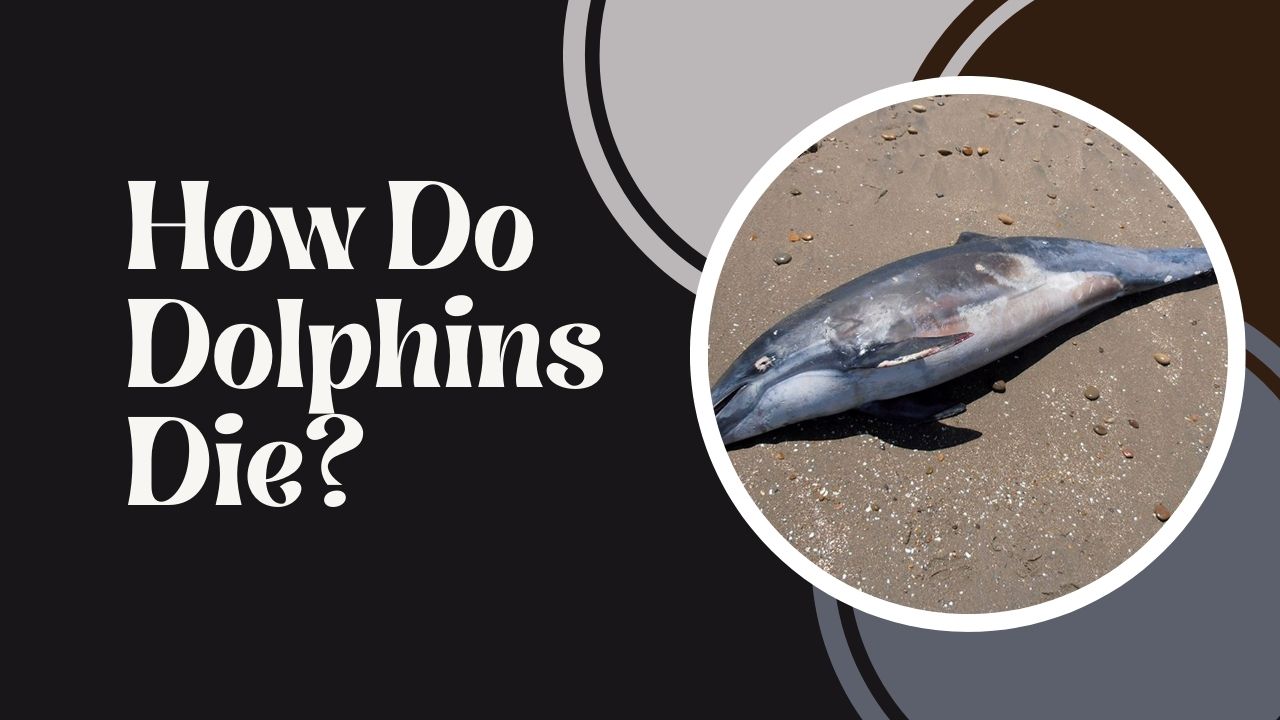

Direct human interaction with dolphins can have profound consequences for the health, well-being, and survival of these marine mammals.
Whether intentional or unintentional, human activities can pose significant risks to dolphins and their natural behaviors.
Entanglement in fishing gear:
Nets, lines, and traps used in fishing are common objects that entangle dolphins, causing harm, anxiety, and sometimes even death. [How Do Dolphins Die?]
A dolphin that becomes entangled may find it difficult to breathe, swim, or feed, which could lead to exhaustion, malnutrition, or drowning.
To reduce the negative effects of entanglement on dolphin populations, mitigation methods include the use of fishing gear that is friendly to dolphins and the implementation of bycatch reduction strategies is crucial.
See Also: Do Dolphins Eat Kelp? Unveiling the Diet Secrets
Collisions with boats and vessels:
Dolphins in coastal locations, harbors, and shipping lanes are vulnerable to collisions with boats and other vessels.
Dolphins are particularly vulnerable to high-speed watercraft crashes, which can result in fatalities, severe injuries, and internal damage.
Implementing vessel traffic management procedures, limiting speed in dolphin habitats, and running public awareness programs are some of the ways to lessen the likelihood of collisions.
Captivity and its toll on dolphin health:
Dolphin welfare and survival may suffer as a result of the capture and confinement of dolphins for entertainment at marine parks, dolphinariums, and swim-with-dolphin programs.
Dolphins kept in artificial cages may experience stress, psychological trauma, and deviant behavior as a result of confinement. [How Do Dolphins Die?]
Calls have been made for tougher laws, prohibitions on captive breeding, and the phase-out of interactive and dolphin performances due to ethical concerns about dolphin confinement.
Ensuring dolphin well-being and conservation in their native habitats requires addressing the effects of direct human involvement.
We can work to ensure a safer and more sustainable future for dolphins and other marine creatures by reducing the effects of human activity and encouraging responsible stewardship of marine habitats.
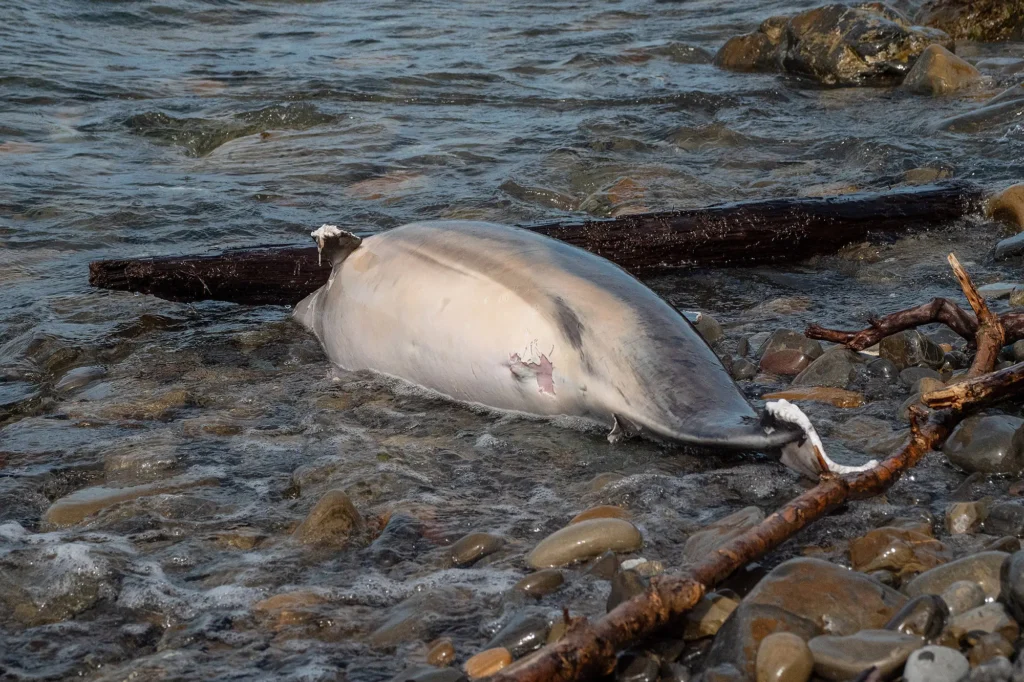
The Ripple Effect: Implications of Dolphin Deaths
The mortality of dolphins reverberates throughout marine ecosystems, exerting far-reaching consequences that extend beyond individual populations.
These implications, often referred to as the “ripple effect,” underscore the interconnectedness of marine life and highlight the importance of preserving dolphin populations for the health and stability of ocean ecosystems.
Ecological imbalances in marine ecosystems:
Dolphins are apex predators that control the distribution and quantity of prey species, which is crucial for the maintenance of marine food webs.
Ecological equilibrium can be upset by the decline of dolphin populations, which can have a domino effect on marine ecosystems.
Certain species may experience population booms due to decreased predation pressure on their prey, which would change ecosystem structure and community dynamics.
See Also: Do Dolphins Eat Barracuda? Dolphins’ Surprising Dietary Habits
Economic repercussions for coastal communities:
When it comes to ecotourism in coastal areas, dolphins are a major draw. People come here to see these magnificent marine mammals in their natural environments.
Local communities that depend on tourism related to dolphins may have adverse economic effects from declines in dolphin populations caused by death. [How Do Dolphins Die?]
The livelihoods of tour operators, lodging establishments, and other industries dependent on marine tourism earnings may be jeopardized if dolphins disappear as tourist attractions.
Ethical considerations and conservation efforts:
Dolphin deaths underscore the ethical imperative to protect and conserve marine biodiversity for future generations.
Conservation initiatives aimed at safeguarding dolphin populations not only benefit these charismatic marine mammals but also contribute to broader efforts to preserve marine ecosystems and biodiversity.
Public awareness campaigns, advocacy efforts, and policy interventions are essential components of conservation strategies aimed at addressing the ripple effects of dolphin mortality.
Solutions for Safeguarding Dolphin Populations
Safeguarding dolphin populations requires concerted efforts to address the diverse array of threats they face, from anthropogenic pressures to natural challenges.
Adopting proactive measures and implementing effective conservation strategies is essential to ensure the long-term viability and well-being of dolphin populations worldwide.
Enhanced conservation measures and marine protected areas:
Establishing marine protected areas (MPAs) and sanctuaries can provide critical refuges for dolphins and other marine species, safeguarding their habitats from anthropogenic threats.
Implementing comprehensive conservation plans tailored to the specific needs and vulnerabilities of dolphin populations can help mitigate the impacts of habitat destruction, pollution, and overexploitation.
See Also: Why Do Dolphins Die In Captivity? The Heartbreaking Reality
Sustainable fishing practices and bycatch mitigation:
Promoting sustainable fishing practices, such as selective fishing gear and ecosystem-based management approaches, can reduce the incidence of dolphin bycatch and minimize the collateral damage inflicted on marine ecosystems.
Collaborative efforts between stakeholders, including fishers, scientists, policymakers, and conservation organizations, are essential to develop and implement effective bycatch mitigation strategies.
Public awareness campaigns and advocacy for dolphin welfare:
Facilitating a culture of environmental responsibility and stewardship requires increasing public knowledge of the dangers to dolphins and the value of their conservation. [How Do Dolphins Die?]
Advocating for policy changes, supporting conservation programs, and promoting dolphin-friendly habits can all help to increase the success of conservation efforts and bring about good change.
We can support the resilience and integrity of marine ecosystems and guarantee the survival of these amazing marine mammals for future generations by placing a high priority on the protection and conservation of dolphin populations.
See Also: Do Dolphins Die By Drowning? Busting Myths
Frequently Asked Questions (FAQs)
What Are The Main Threats Facing Dolphin Populations?
Dolphin populations face threats such as habitat destruction, pollution, overfishing, entanglement, and boat collisions.
How Do Dolphins Contribute To Marine Ecosystems?
Dolphins regulate prey populations, maintain ecological balance, and influence marine food webs as top predators. [How Do Dolphins Die?]
What Are Some Ways Individuals Can Help Protect Dolphins?
Individuals can help by reducing plastic use, supporting sustainable seafood, participating in beach cleanups, and advocating for conservation policies.
Are Dolphins Affected By Climate Change?
Yes, dolphins are vulnerable to climate change impacts like habitat loss, prey distribution changes, and ecosystem disruptions.
What Role Does Captivity Play In Dolphin Conservation?
Captivity’s role in conservation is debated; while it offers research insights, ethical concerns drive calls for stricter regulations and promoting dolphin-friendly ecotourism.
Conclusion: How Do Dolphins Die?
In conclusion, the decline in dolphin populations serves as a stark warning about the serious effects that human activity has on marine life and ecosystems.
Dolphins are vulnerable to numerous hazards that could endanger their lives, including both natural and man-made ones.
However, we may strive toward a future where dolphins thrive in their natural environments by comprehending the ramifications of dolphin fatalities, accepting solutions for protecting dolphin populations, and encouraging group action to support conservation initiatives.
It is incumbent upon us to uphold our responsibility as stewards of the ocean and champion the protection of dolphins and the marine environments they inhabit.
Together, we can strive to create a more sustainable and harmonious relationship between humans and marine life, ensuring a brighter future for dolphins and the oceans they call home.

Mr. Das, a certified pharmaceutical scientist, holds a Bachelor of Science in Pharmaceutical Sciences and passionately contributes to dolphin conservation as a member of the committee in Bangladesh.
Table of Contents

Comments are closed.