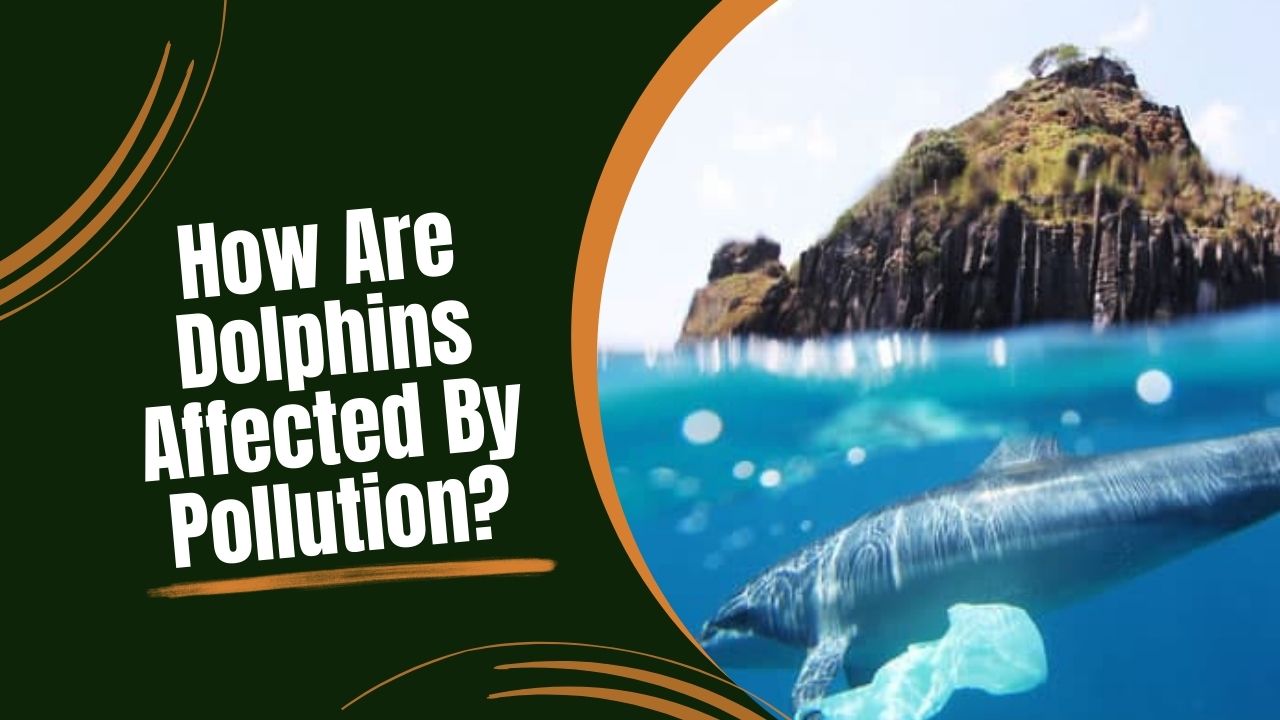

Pollution has an impact on dolphins’ habitat and food sources, which causes behavioral changes in them.
Pollution in the form of poisonous substances and tainted water affects these sentient marine animals, causing changes in their eating habits and social interactions.
Dolphins are renowned for their intricate social interactions and playful disposition, yet pollution has a negative impact on them. [How Are Dolphins Affected By Pollution?]
The behavior of dolphins is altered, which is one of the major effects of pollution. Their communication is hampered by pollution, which alters their travel patterns.
Communication Disruption
Dolphin communication is disrupted as a result of ocean pollution. These sentient beings mostly depend on auditory cues for communication.
Unfortunately, their inability to communicate efficiently is hampered by the tremendous noise produced by underwater vehicles, including ships and sonar equipment. [How Are Dolphins Affected By Pollution?]
Dolphins may misinterpret signals as a result of this interference, which may raise their stress levels and negatively impact their social relationships and general well-being.
See Also: Do Dolphins Sweat? Truth About Their Cooling Secret
Migration Pattern Alteration
Dolphin migration patterns are also affected by pollution. Chemicals, polymers, and oil spills are among the contaminants that can pollute their typical migratory paths.
Dolphins are compelled by this to adjust and stray from their usual route in pursuit of cleaner waters. Their populations may consequently split apart, which would decrease genetic variety and make them more susceptible to illness and predators.
| Impact | Consequence |
| Disrupted communication | Misinterpretation of signals and increased stress levels among dolphins |
| Altered migration patterns | Fragmented populations, reduced genetic diversity, and increased vulnerability |
In conclusion, dolphin behavior is significantly impacted by pollution. [How Are Dolphins Affected By Pollution?]
Their capacity to connect and communicate efficiently is affected, but there are also threats to their survival due to the disruption of their communication and changes in their migration patterns.
To safeguard these sophisticated marine creatures and the habitats they live in, pollution must be addressed and appropriate action must be taken.
Conservation Efforts
Dolphins are highly intelligent and gregarious animals, yet they are also highly susceptible to the negative consequences of pollution.
There have been numerous conservation initiatives put in place to guarantee the survival and welfare of these amazing aquatic creatures.
Marine Protected Areas
Marine Protected Areas (MPAs) play a critical role in conserving dolphin populations and their habitats. An MPA is an area set aside for the purpose of regulating human activity in order to safeguard the maritime environment.
Dolphins can flourish in these locations because they act as a refuge free from the threat of pollution. MPAs protect dolphins by prohibiting activities such as fishing and boating, which gives the dolphins a safe area to feed, mate, and socialize.
Reducing Plastic Waste
It is impossible to emphasize the harm that plastic waste causes to dolphins. Their survival is seriously threatened by plastic garbage, which frequently entangles them or is mistaken for food. [How Are Dolphins Affected By Pollution?]
Numerous programs to cut down on plastic trash have been started in an effort to counter this. This entails putting recycling programs into place, promoting the use of reusable bags and containers, and spreading knowledge about how crucial it is to dispose of plastic waste responsibly.
Dolphins and the entire marine ecology they depend on are both protected when we reduce plastic waste.
See Also: Do Dolphins Have Vertebrates? The Fascinating Truth Unveiled
Regulations On Noise Pollution
Dolphins are particularly vulnerable to the damaging impacts of noise pollution brought on by human activities like construction and shipping. [How Are Dolphins Affected By Pollution?]
These aquatic animals rely largely on sound for locomotion, communication, and hunting. Their natural activity may be disturbed, and excessive underwater noise may even cause hearing loss.
Strict laws have been implemented to limit noise pollution in dolphin habitats in an effort to lessen this problem.
We can lessen the disruption that human-generated noise causes to these animals and contribute to preserving the delicate balance that they depend on in the maritime environment.
To sum up, dolphin conservation initiatives that shield the species from contamination are essential to dolphin survival.
Through the development of Marine Protected Areas, decreasing plastic waste, and limiting noise pollution, we can ensure that these wonderful species continue to beautify our oceans for decades to come.
Frequently Asked Questions On How Are Dolphins Affected By Pollution?
How Do Dolphins Get Affected By Plastic Pollution?
Dolphins are impacted by plastic pollution because the material can entangle or consume them, injuring or killing them. It ruins their food supply, disturbs their habitat, and is bad for their general health.
How Are Dolphins Affected By Underwater Noise Pollution?
Dolphins are badly impacted by underwater noise pollution because it interferes with their ability to communicate, eat, and mate. Stress, hearing loss, confusion, and even death are possible outcomes. Dolphins depend on sound to survive, and loud noises interfere with their ability to navigate and obtain food in their natural habitat.
Why Is Pollution A Danger To Whales And Dolphins?
Because of its detrimental impacts, pollution puts whales and dolphins in danger. Chemicals and industrial waste pollutants may seep into their environment, posing a health risk. Pollutants in their food chain can cause immune system weakness, reproductive issues, and even mortality.
What Is The Biggest Threat To Dolphins?
Human activities including pollution, fishing nets, and habitat damage pose the biggest threat to dolphin populations. These seriously jeopardize their ability to survive.
Conclusion
Dolphins are seriously threatened by pollution, which has an adverse effect on both their survival and general well-being.
Human actions have negative effects on these sophisticated marine organisms, ranging from habitat deterioration to chemical exposure.
We can stop additional harm and save dolphins’ natural habitats by acknowledging the detrimental effects of pollution on these marine mammals.
To guarantee the survival of these magnificent animals in our oceans, it is up to us to take immediate action and put sustainable policies into place.

Mr. Das, a certified pharmaceutical scientist, holds a Bachelor of Science in Pharmaceutical Sciences and passionately contributes to dolphin conservation as a member of the committee in Bangladesh.

Comments are closed.