

Dolphins are known to eat a wide variety of foods, but primarily fish like cod, herring, and mackerel. They also eat squid and octopus.
Dolphins hunt in groups and work together to catch their prey as part of their collective feeding habits.
Dolphins have a reputation for being opportunistic eaters, meaning they can modify their diet based on what food is available in their surroundings.
They are shrewd and nimble hunters that find their prey by using echolocation.
In contrast, dolphinfish mostly consume smaller fish, including sardines, flying fish, and anchovies. They have also been observed to eat squid and crabs.
Because they can swim quickly, dolphinfish use their agility and speed to capture their prey. They are frequently found in warm oceanic waters with plenty of their favorite food sources. [Dolphin Vs. Dolphinfish]
See Also: Humpback Whale Vs Orca: Ocean Giants Showdown
Behavioral Traits
Dolphins are extremely intelligent and have social behaviors. They are renowned for their lively personalities, sophisticated communication abilities, and close-knit families.
Conversely, dolphinfish are swift and graceful swimmers that are frequently encountered in warm marine environments.
Their power and fighting prowess make them popular among recreational anglers.
Whereas dolphinfish prefer a solitary lifestyle and typically stay within a small radius of their territory, dolphins are highly gregarious and form close-knit pods. [Dolphin Vs. Dolphinfish]
Conservation Status
Dolphins: Depending on the species, dolphins have different conservation statuses.
Some species have been classified as vulnerable, endangered, or critically endangered because of things like pollution, entrapment in fishing nets, and human intervention.
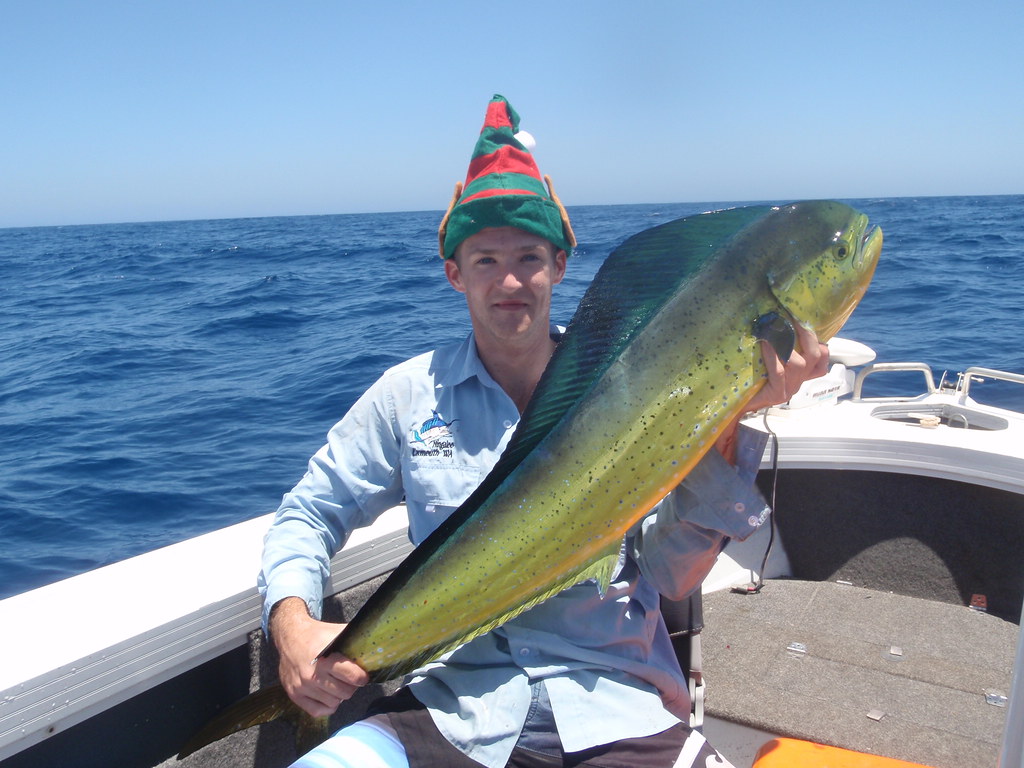
Dolphinfish: Conversely, because of their abundance and widespread distribution throughout the world’s oceans, dolphinfish, also known as mahi-mahi or dorado, are typically not seen as a conservation concern.
In most areas, commercial fisheries do not target them, and their population is stable. [Dolphin Vs. Dolphinfish]
Interaction With Humans
Dolphin: Known for their amicable connections with people, dolphins are highly intelligent marine creatures. They like to ride in the wake of boats, and they do it frequently.
In aquariums and marine parks, some dolphins have been trained to interact with people and perform stunts.
They are a well-liked attraction for travelers who want to see and engage with these amazing creatures because of their playful and inquisitive character.
Dolphinfish: Also called dorado or mahi-mahi, dolphinfish are vibrant, swift-moving fish that are typically found in tropical and subtropical regions.
Unlike dolphins, they rarely interact with humans, however, fishermen and deep-sea anglers may come upon them.
Sport fishermen consider dolphinfish to be very desirable prey because of their succulent meat and formidable fighting prowess. [Dolphin Vs. Dolphinfish]
See Also: Mahi Mahi Vs. Ahi Tuna: The Ultimate Showdown
Frequently Asked Questions For Dolphin Vs. Dolphinfish
Is Mahi-mahi A Dolphin Or Fish?
Mahi-mahi is a type of fish, not a dolphin. It’s also known as dorado or dolphinfish.
What Is The Common Name For Dolphinfish?
The common name for dolphinfish is “mahi-mahi,” and it is also known as “dorado” in some regions.
Are Dolphinfish Edible?
Yes, dolphinfish, also known as mahi-mahi, are edible and prized for their firm, flavorful flesh. They are a popular choice for grilling, baking, or searing and are often featured in seafood dishes at restaurants.
What Is The Name Of Dolphin Meat?
The name for dolphin meat is simply “dolphin meat. ” It is sometimes referred to as “killing dolphins for meat” in discussions and media.
Conclusion
Ultimately, it is clear that dolphins and dolphinfish are different marine animals with distinctive characteristics.
Dolphinfish are colorful, swift-swimming fish that are valued for their sporting and culinary qualities, whereas dolphins are mammals recognized for their intellect and social behavior.
We will be able to appreciate these incredible aquatic animals more if we are aware of their differences.

Mr. Das, a certified pharmaceutical scientist, holds a Bachelor of Science in Pharmaceutical Sciences and passionately contributes to dolphin conservation as a member of the committee in Bangladesh.

Comments are closed.