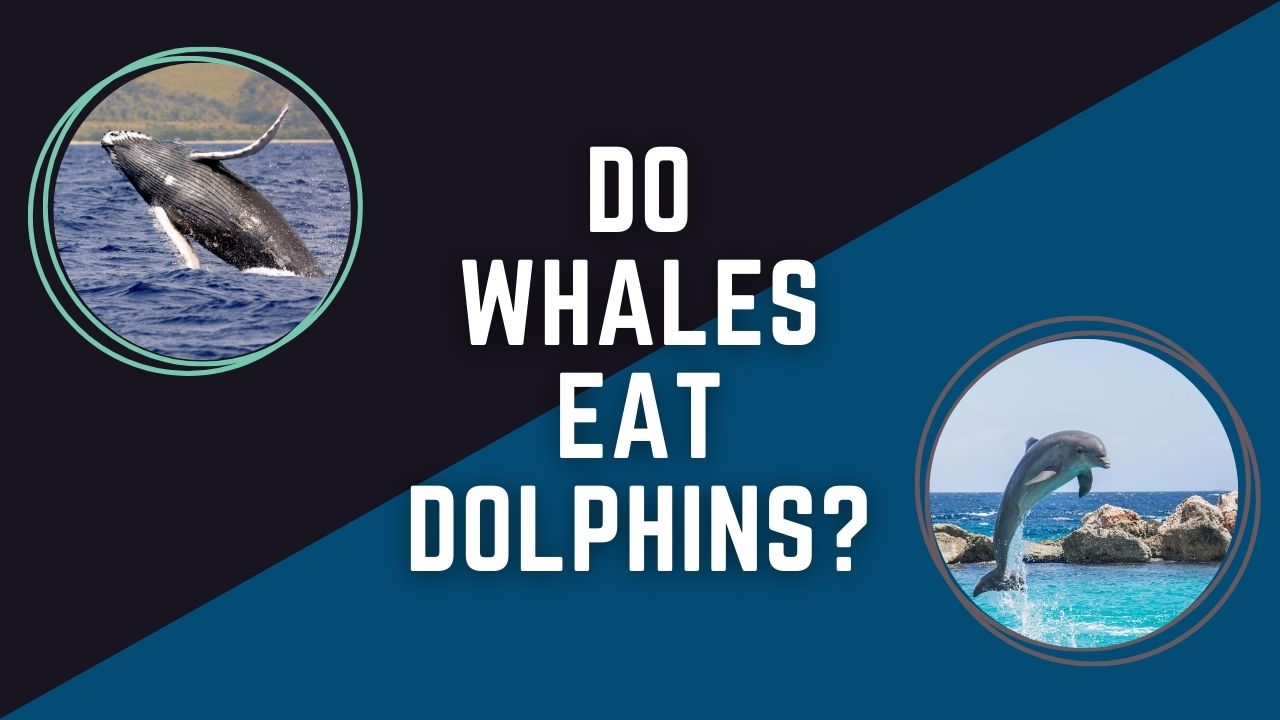


Do Whales Eat Dolphins? Yes, some whale species, such as orcas, have been known to prey on dolphins. Whales, as top predators in the ocean, may hunt and consume dolphins as part of their diet.
The order Cetacea contains a wide range of kinds of whales, each with their own unique eating preferences.
In order to survive, some whales, including orcas, commonly referred to as killer whales, intentionally hunt and eat dolphins.
This action reveals the predatory tendencies of several whale species toward dolphins.
Gaining knowledge about the dynamics of interactions between whales and dolphins is essential for comprehending marine ecosystems.
Understanding the complex relationships that exist within the ocean’s food chain can be improved by investigating whales’ eating habits.
These discoveries can help guide conservation initiatives and shield threatened marine species from extinction.
Introduction To Whales And Dolphins
Two of the most amazing sea mammals are whales and dolphins, which are members of the cetacean family.
Both have streamlined bodies, high levels of intelligence, and social nature, but they also differ greatly in terms of behavior, appearance, and evolutionary background. [Do Whales Eat Dolphins?]
Distinct Characteristics
Differentiating themselves from other aquatic animals, whales and dolphins have unique features.
Despite their enormous size, whales are most recognized for their toothed or baleen structures, which they employ for hunting and filter feeding.
On the other hand, dolphins are known for having slim bodies, dorsal fins that curve, and keen teeth that are ideal for catching and eating fish.
See Also: Blue Whale Vs. Orca: Battle of the Giants
Evolutionary History
Dolphins and whales have tens of millions of years of evolutionary history. It is thought that both species shared an ancestor and evolved throughout time to adapt to their aquatic habitats.
Having evolved from land-dwelling species to totally aquatic mammals with particular adaptations to exist underwater, whales share a common ancestor with even-toed ungulates.
Dolphins, on the other hand, are extremely skilled marine hunters because they have experienced evolutionary adaptations to improve their swimming agility and communication skills. [Do Whales Eat Dolphins?]
Whales’ Feeding Habits
Being the biggest marine mammals, whales have a wide variety of eating habits that are essential to their survival.
The classification of whales and their dietary methods offer special knowledge of their eating habits, ranging from filter feeding to predatory behavior.
See Also: Do Killer Whales Live In Florida? Unveiling The Fascinating Truth
Whale Classification
Based on how they eat, whales can be divided into two primary groups: toothed whales and baleen whales.
Baleen whales, like the blue whale and humpback whale, utilize baleen plates to filter tiny organisms from the water, whereas toothed whales, like the killer whale and sperm whale, seek and grab prey with their keen teeth.
Feeding Mechanisms
Whales use a variety of feeding techniques to get their food from the ocean. A novel and effective technique is called filter feeding, in which baleen whales remove tiny fish and krill from the water using their baleen plates.
Some toothed whales show off their amazing ability to hunt by using echolocation to find and locate their prey in the wide ocean. [Do Whales Eat Dolphins?]
See Also: Are Dolphins Whales? Dive into the Cetacean Mystery
Predatory Behavior
Many whale species behave predatorily toward fish, squid, and even dolphins in the ocean, in spite of their enormous size.
The killer whale, which is renowned for its cunning hunting techniques, highlights the predatory abilities of several whale species by including dolphins and seals in its diet.
Diet Variations
The diets of different species and habitats of whales might differ. Certain baleen whales, for example, may eat mostly krill in polar seas, whereas other whales may eat a variety of small fish and plankton.
Whales need these dietary variances in order to sustain their energy needs and adapt to their unique ecological niches. [Do Whales Eat Dolphins?]
Dolphins’ Behavior And Vulnerability

Mr. Das, a certified pharmaceutical scientist, holds a Bachelor of Science in Pharmaceutical Sciences and passionately contributes to dolphin conservation as a member of the committee in Bangladesh.
Table of Contents

Comments are closed.