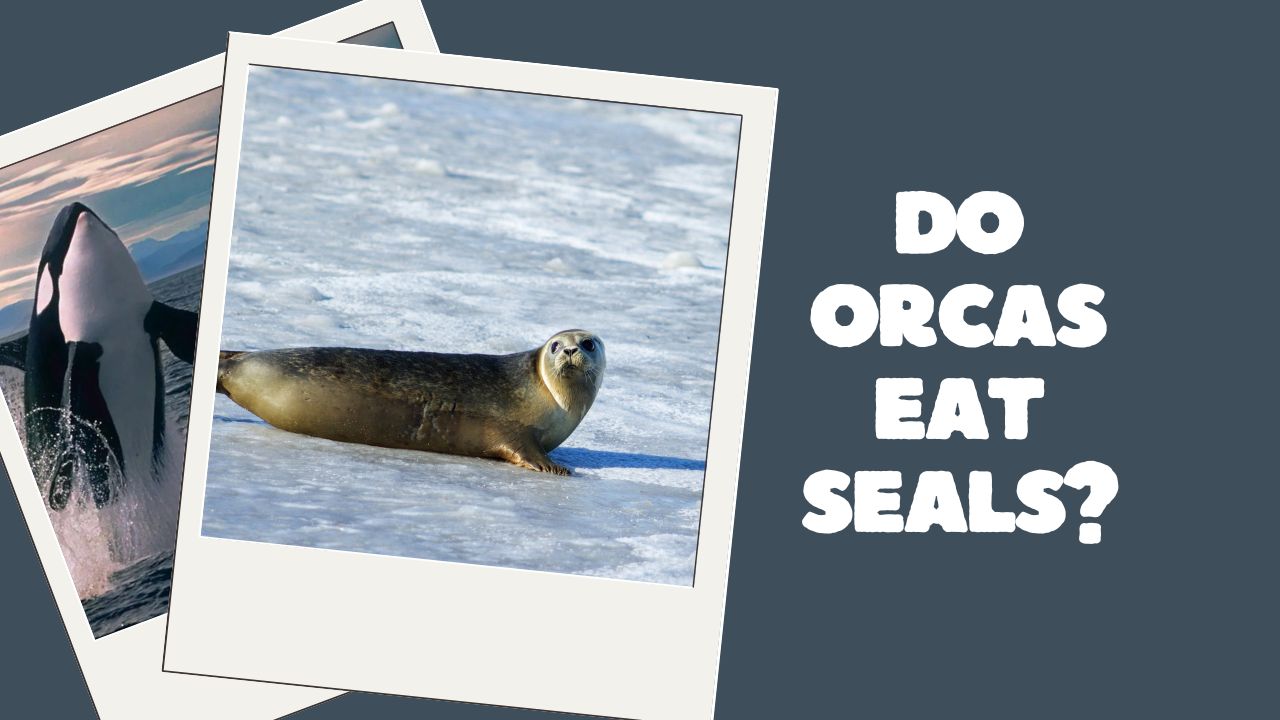

Research has demonstrated that orcas hunt in various fashions depending on the region they are in, and that they do consume seals.
Orcas have been seen using coordinated methods to hunt seals in the Antarctic, like breaking up ice floes into waves to wash seals off them.
On the other hand, whales have been observed ambushing harbor seals in the vicinity of the Farallon Islands. These examples show the variety of hunting techniques used by orcas to bring down seals.
The supply of prey, the behavior and social structure of the orca pod, and the environmental circumstances all affect the likelihood that orcas may hunt seals.
Comprehending these processes is essential to understanding the ecological relationships that exist between seals and orcas. [Do Orcas Eat Seals?]
See Also: Do Orcas Have Fur? Beyond Black and White
Tactics Employed By Orcas When Hunting Seals
Do Orcas Eat Seals? When killing seals, orcas—also referred to as killer whales—use cooperative tactics. Their strategy consists of grouping together in concerted attempts to overwhelm their victim.
Orcas successfully seize and confine seals by employing strategies like encircling and corralling. After they’ve split up, they use cunning tactics to overwhelm their target and ensure an efficient hunt.
Impacts Of Seal Consumption On Orcas
Killer whales, or orcas, are ferocious predators distinguished by their varied food. Seals make up a significant portion of their diet.
Orcas derive nutritional value from seal intake, as it provides vital elements for their general health and well-being.
Additionally, this intake is essential to preserving the natural balance of the marine ecosystem. Through their hunting and eating habits, orcas aid in controlling seal populations, thus averting overcrowding and potential harm to the marine ecosystem.
Furthermore, their ingestion of seals plays an ecological significance in maintaining the stability and diversity of marine life.
All things considered, orcas’ eating of seals has a lot of ecological ramifications and emphasizes how intertwined marine food webs are.
See Also: Why Do Orcas Follow Boats? Unveiling the Mystery
Conservation Implications
Do Orcas Eat Seals? Concerns concerning the dangers to seal populations have been brought up by the conservation implications of orcas hunting seals.
Because seals are essential to the balance of the environment, it could have far-reaching effects if seals are preyed upon by orcas.
The delicate coexistence of seals and orcas highlights the intricacies of marine life as well as the possible environmental effects of predator-prey dynamics.
Creating effective conservation strategies to safeguard seal populations and maintain the balance of marine ecosystems requires an understanding of the relationships between orcas and seals. [Do Orcas Eat Seals?]
Frequently Asked Questions Of Do Orcas Eat Seals?
Are Orcas Known To Eat Seals In The Wild?
In truth, it is known that orcas in the wild eat seals. They have been seen hunting seals in their native environment, and they are expert hunters.
Why Do Orcas Hunt Seals?
Seals are a food supply, thus orcas hunt them. Orcas depend on seals for vital nutrients and energy to survive and flourish in their oceanic habitat.
How Do Orcas Catch Seals In The Ocean?
Orcas hunt seals in the water by using their speed, agility, and cunning hunting skills. Before moving, they cooperate to isolate and corner seals.
What Role Do Seals Play In The Orcas’ Diet?
As a vital source of proteins and fats that support their general health and well-being in the wild, seals constitute a crucial component of the orcas’ diet.
Conclusion
Orcas have a varied diet, even though they are known to consume seals. Their hunting strategies and choice of prey are influenced by their population and geographic location.
Gaining knowledge about the complex bond between seals and orcas enhances our comprehension of the aquatic environment. Continue reading our blog for various viewpoints on marine life.

Mr. Das, a certified pharmaceutical scientist, holds a Bachelor of Science in Pharmaceutical Sciences and passionately contributes to dolphin conservation as a member of the committee in Bangladesh.

Comments are closed.